





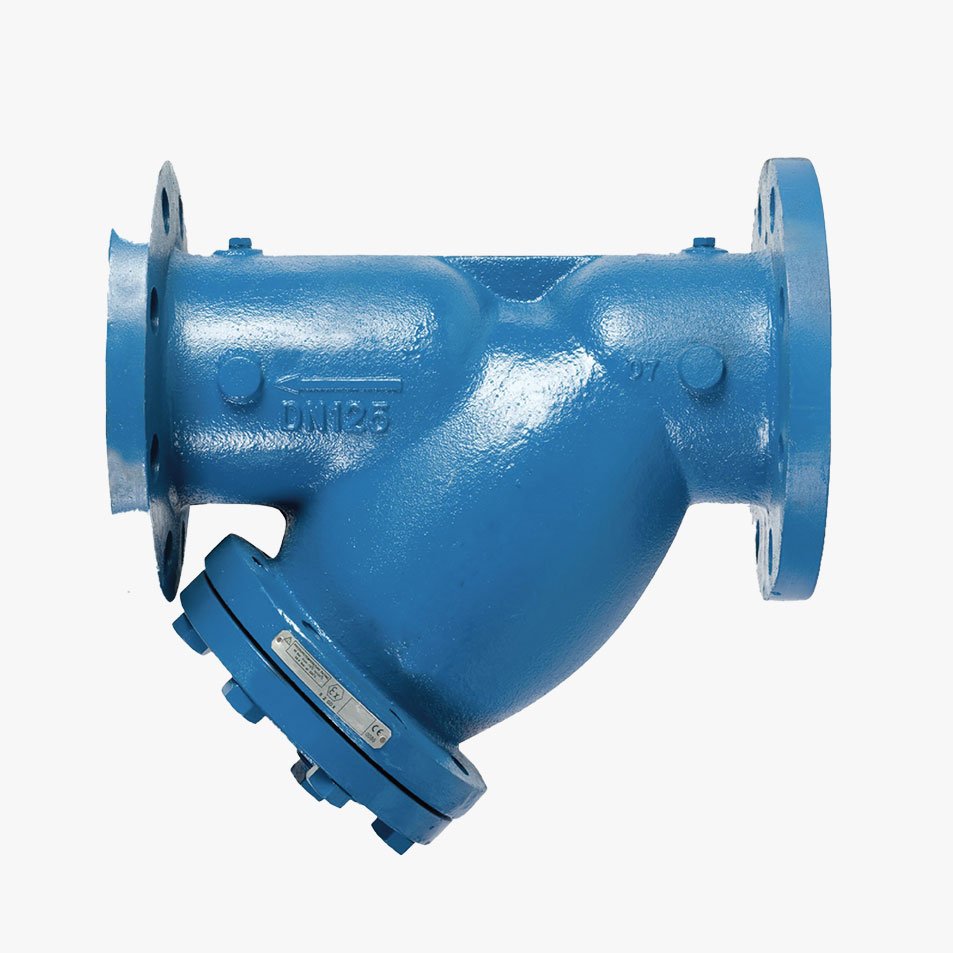
Y-Type vs Basket Strainers: How to Choose the Right One
Both do the same job — catch solids before they reach a pump, a control valve or a meter — and both are called "strainers" on a drawing. But a Y-type and a basket strainer behave very differently once the system is running. One is compact and tolerates almost any...
Continue Reading
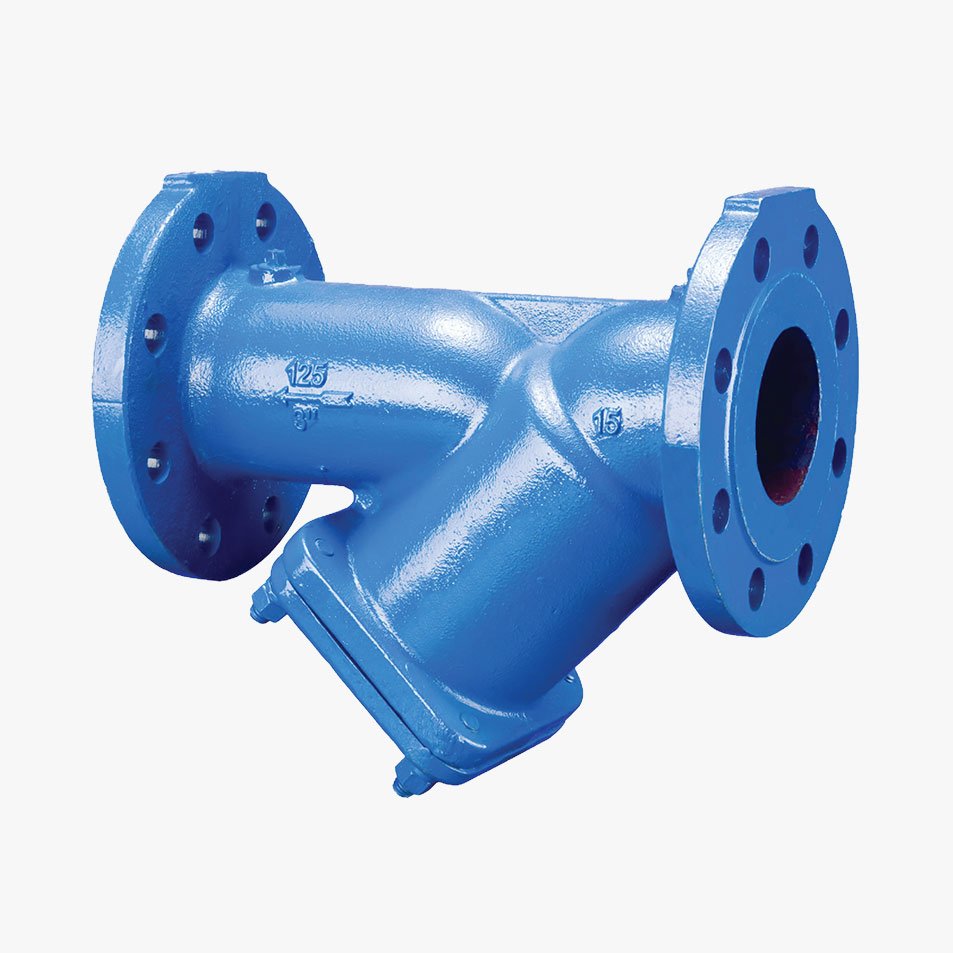
Why Every Pump Needs a Strainer (and Where to Put It)
Most pump failures that get blamed on the pump start somewhere else in the pipe. A fragment of weld slag left from installation, a flake of scale from an old main, a handful of sand drawn in from a ground tank — any of these can chip an impeller vane,...
Continue Reading
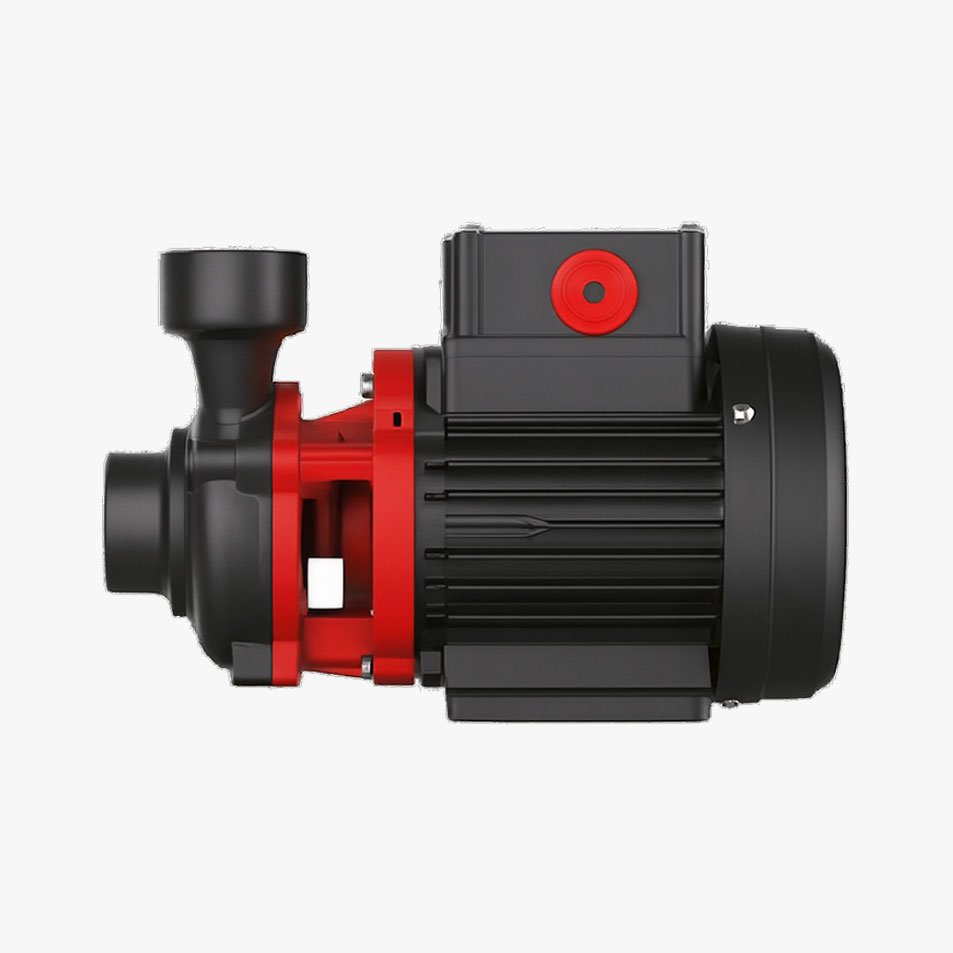
Ground Tank to Roof Tank: How Villa Water Systems Work
How the villa water chain works — ground tank, transfer pump, roof tank, gravity and booster — with sizing rules, dry-run protection and the top-floor pressure fix.
Continue Reading

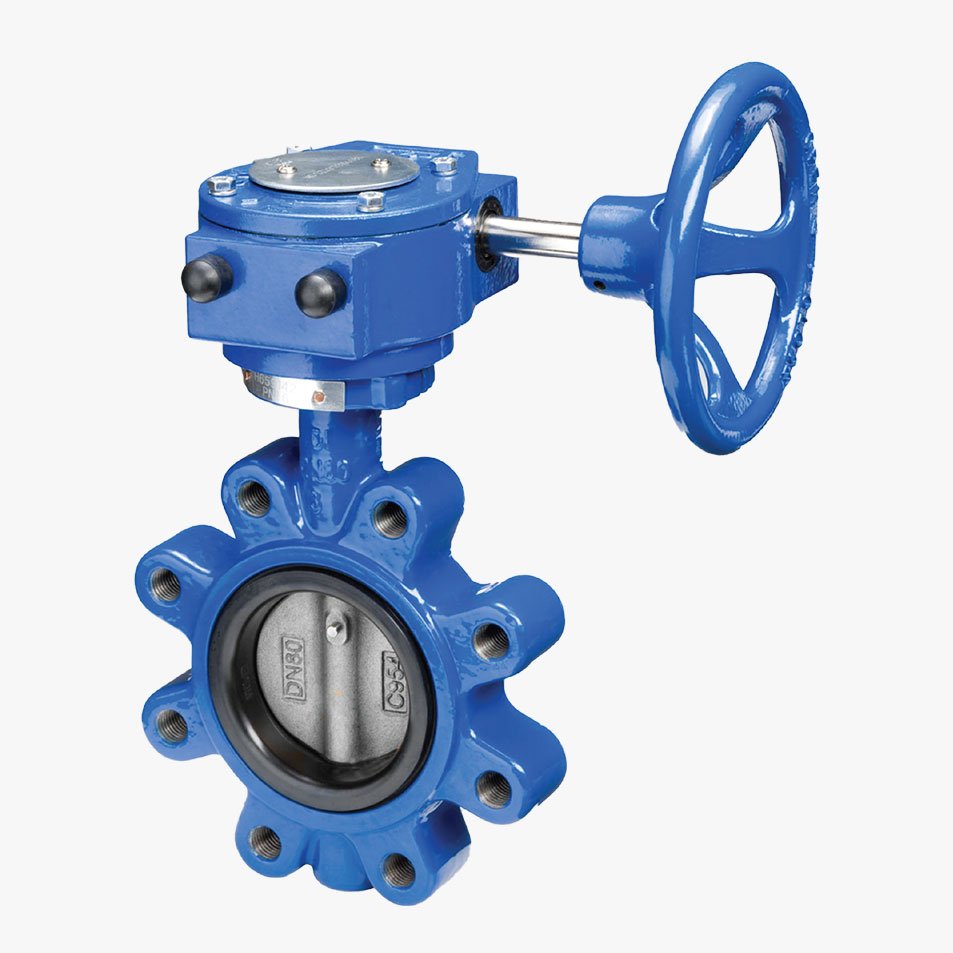
Wafer, Lug or Flanged? Butterfly Valve Body Types Explained
Wafer, semi-lugged, fully lugged and flanged butterfly valve bodies compared: dead-end service, downstream removal, pressure ratings and when to specify each.
Continue Reading
How to Size a Butterfly Valve: Kv, Velocity and Pressure
A five-step butterfly valve sizing method: duty definition, Kv calculation, velocity check, pressure rating and flange standard, and disc/liner material selection.
Continue Reading
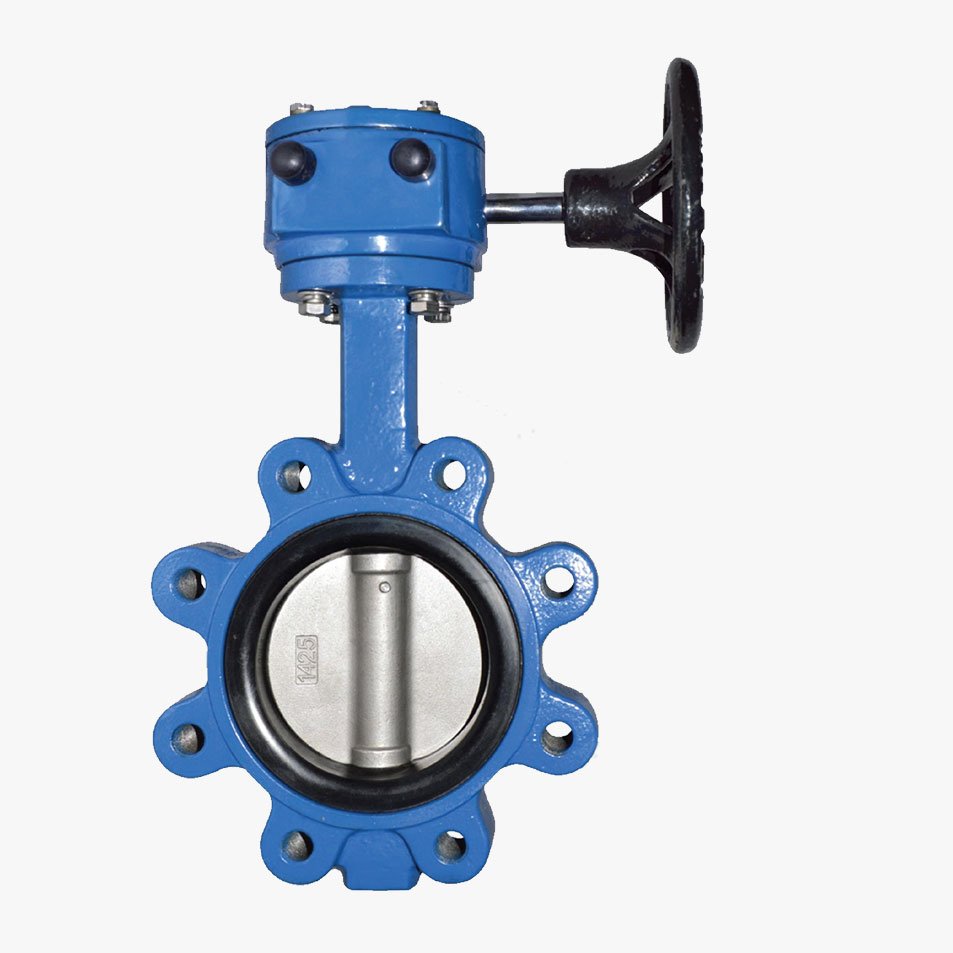
Gate Valve vs Butterfly Valve: How to Choose
Gate and butterfly valves both isolate flow, but they differ in pressure drop, throttling tolerance, closure speed and installation footprint. A practical selection guide.
Continue Reading
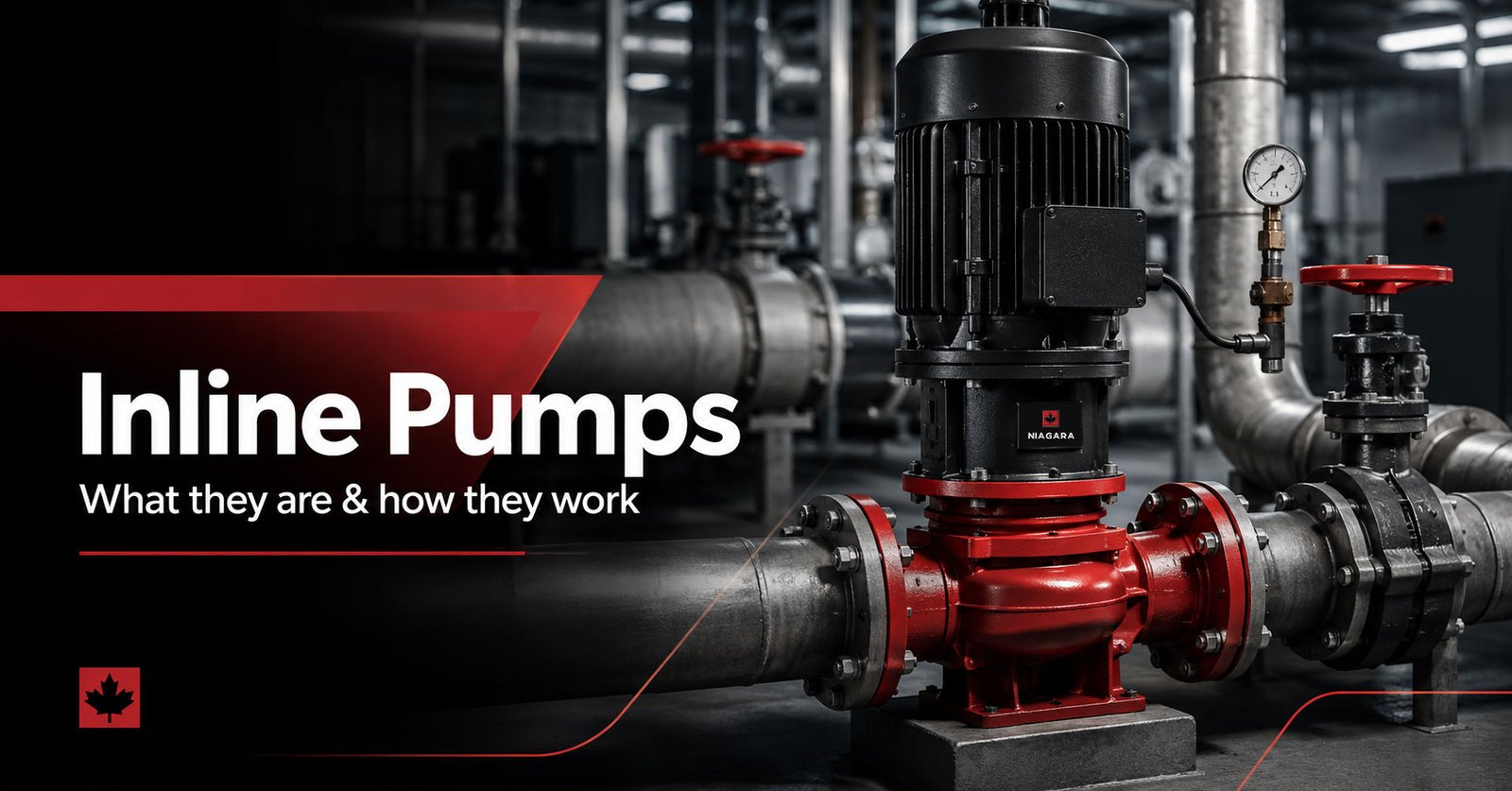
What Are Inline Pumps & How Do They Work?
When it comes to efficient fluid handling in compact spaces, inline pumps are one of the most practical and reliable solutions available. At Niagara Pumps, we understand how important it is to maximize performance while minimizing installation complexity. That’s why inline pumps are widely used across HVAC systems, industrial operations,...
Continue Reading
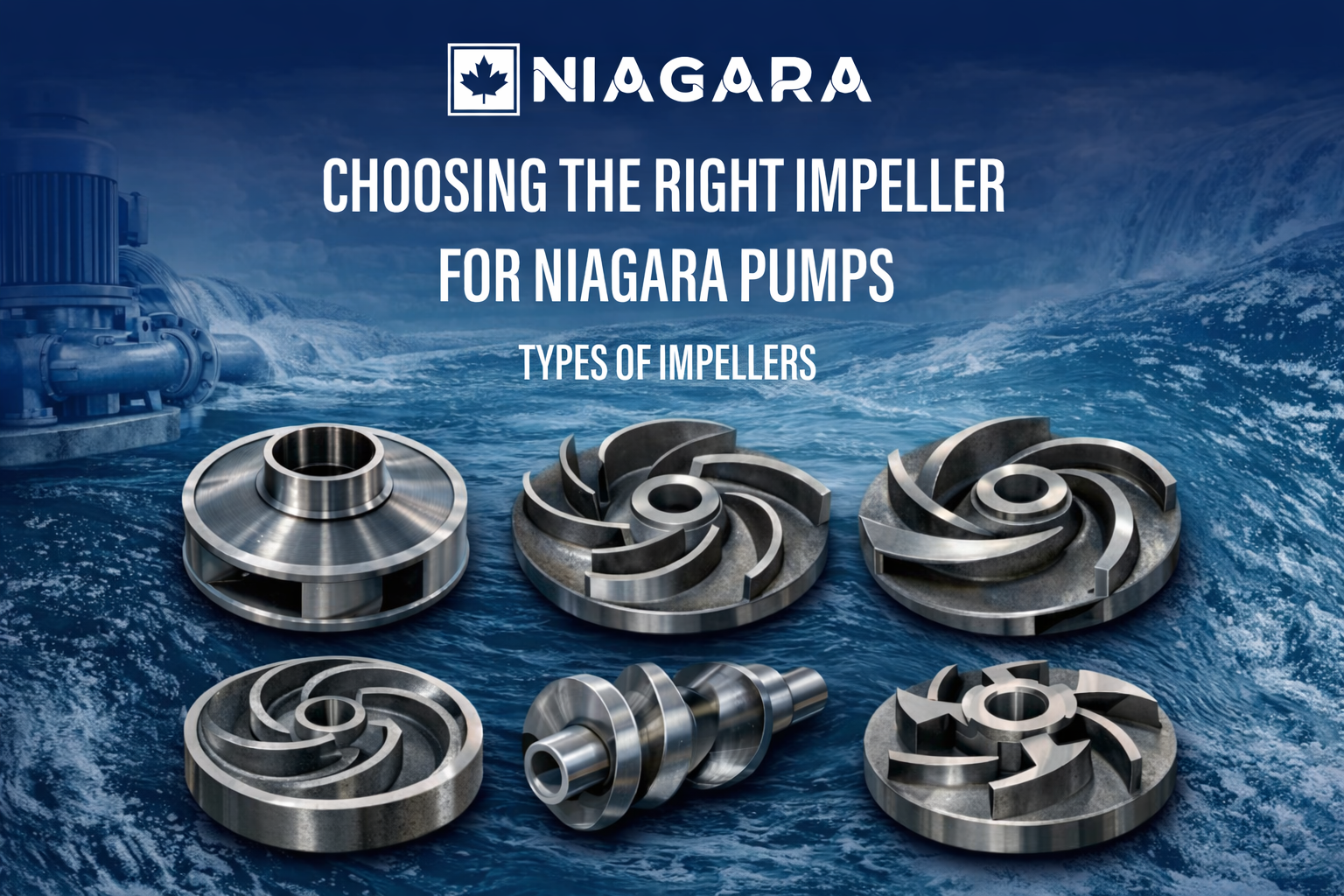
Choosing the Right Impeller for Niagara Pumps
The impeller is a crucial component in any pump, responsible for moving fluid by imparting energy to it. Selecting the right impeller type can significantly influence a pump’s efficiency, reliability, and suitability for a specific application. Understanding the different types of impellers and key selection factors is essential for optimizing...
Continue Reading
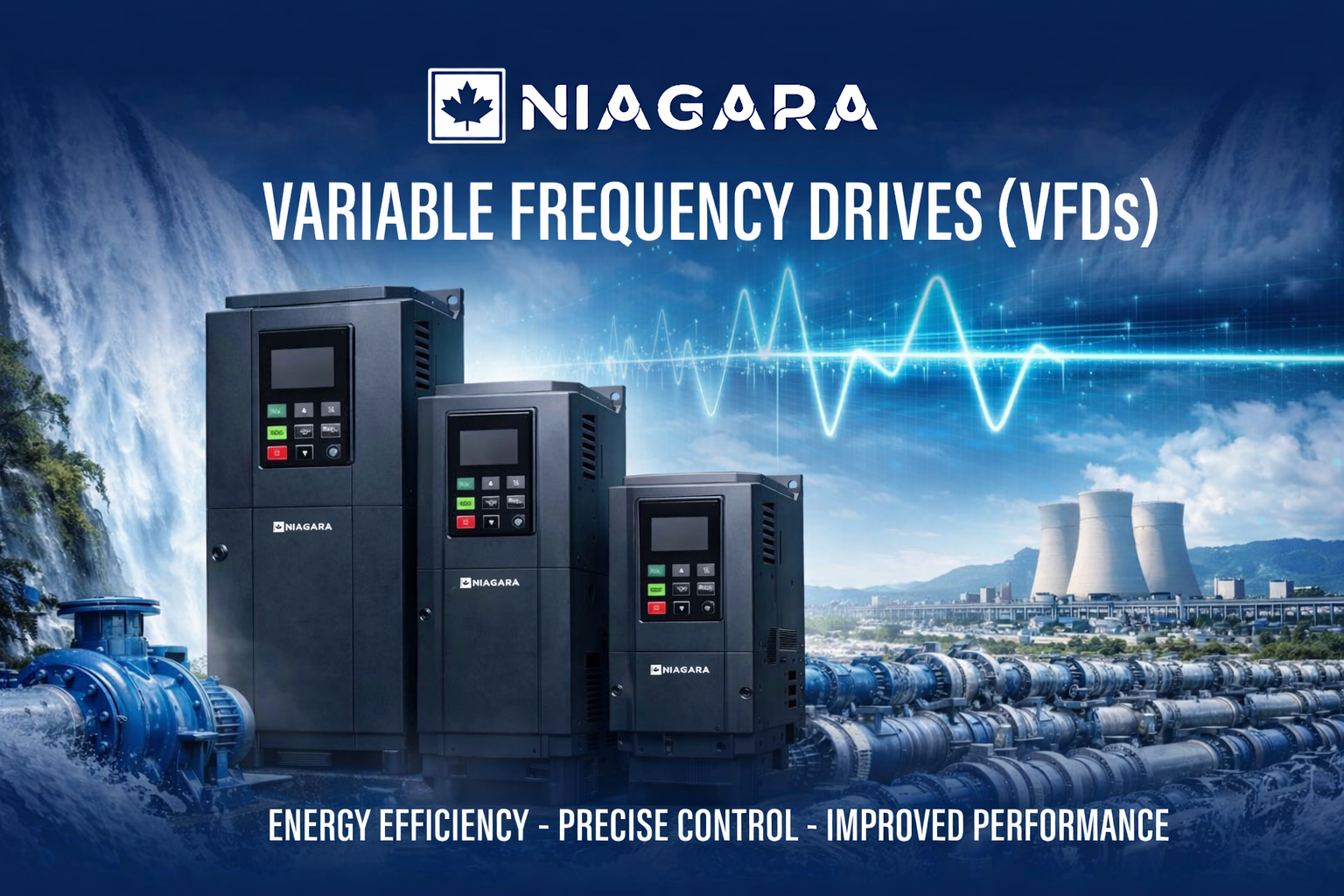
Optimizing Niagara Pumps Performance with Variable Frequency Drives (VFDs)
Variable Frequency Drives (VFDs) are a key technology in modern pump systems, offering precise control over motor speed to optimize pump performance. By matching pump output to system demand, VFDs help reduce energy consumption, extend equipment life, and improve overall efficiency.
How VFDs Work with Pumps
VFDs adjust the frequency and voltage...
Continue Reading
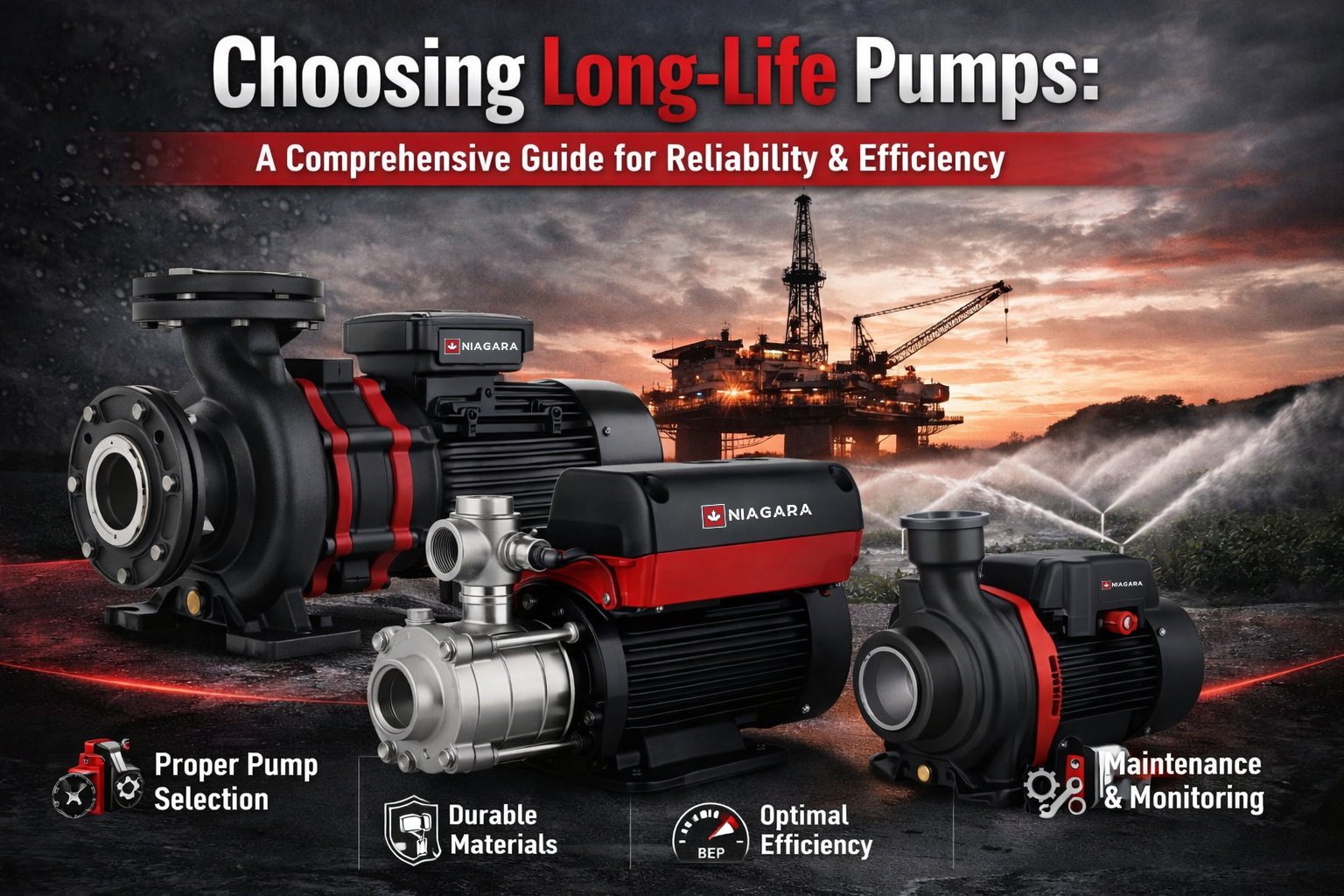
How Choosing Long-Life Pumps
A Comprehensive Guide for Reliability and Efficiency:
Pumps are essential components in many industries, including water treatment, manufacturing, agriculture, oil and gas, and residential systems. Because pumps often operate continuously under demanding conditions, selecting a pump with a long service life is critical for minimizing downtime, reducing maintenance costs, and ensuring...
Continue Reading

