





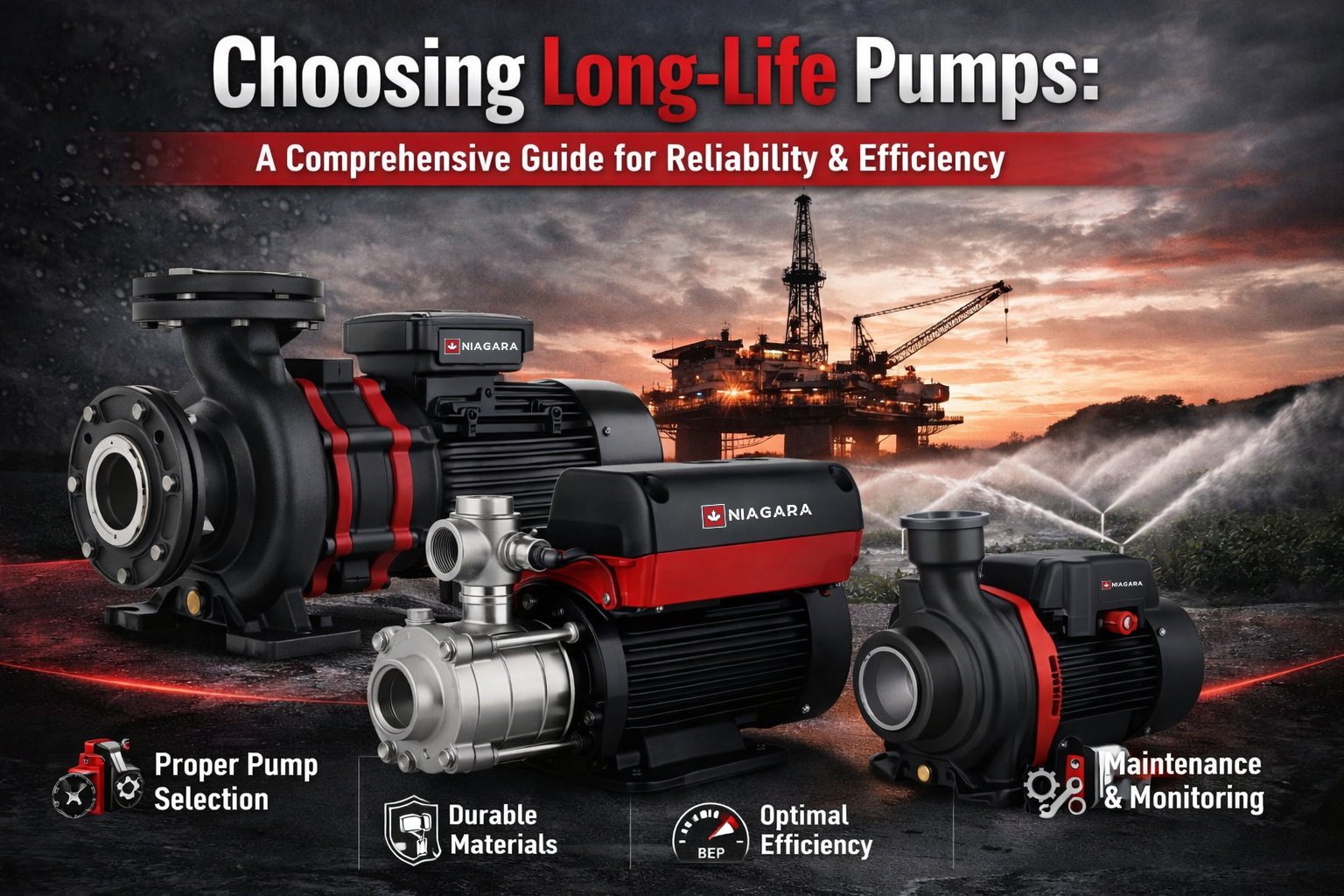
Come scegliere le pompe a lunga durata
A Comprehensive Guide for Reliability and Efficiency:
Pumps are essential components in many industries, including water treatment, manufacturing, agriculture, oil and gas, and residential systems. Because pumps often operate continuously under demanding conditions, selecting a pump with a long service life is critical for minimizing downtime, reducing maintenance costs, and ensuring...
Continua a leggere
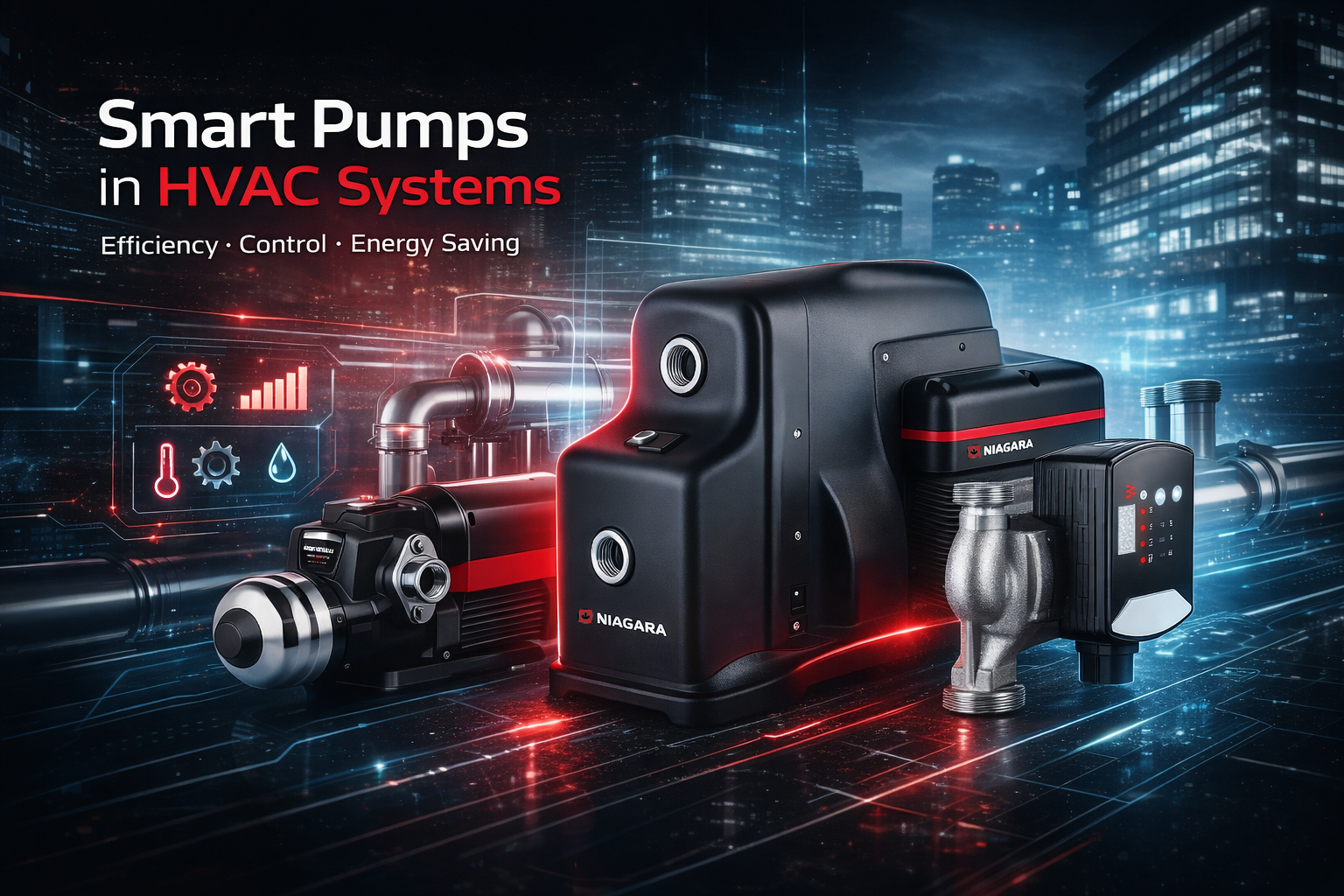
Pompe intelligenti nei sistemi HVAC idronici commerciali
Gli edifici commerciali sono responsabili di una parte significativa del consumo energetico globale, con i sistemi HVAC e di riscaldamento.
I sistemi HVAC sono uno dei maggiori responsabili. Nei sistemi HVAC idronici, le pompe svolgono un ruolo cruciale
nel far circolare l'acqua per il riscaldamento e il raffreddamento. Tradizionalmente, queste pompe funzionavano a velocità costante,
con conseguente consumo eccessivo di energia, scarso controllo del sistema e maggiore...
Continua a leggere
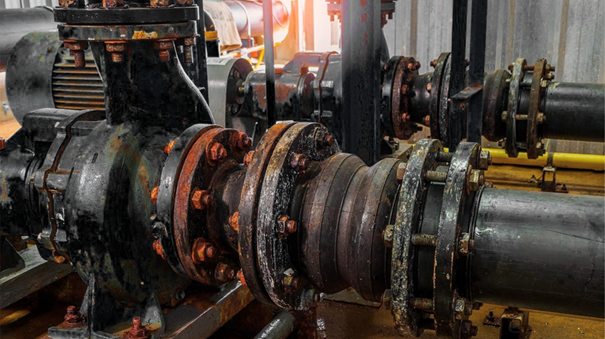
La cavitazione spiegata e illustrata
Il fenomeno della cavitazione consiste nell'interruzione della continuità del liquido in presenza di una notevole riduzione locale della pressione. La formazione di bolle all'interno dei liquidi (cavitazione) inizia anche in presenza di pressioni positive che sono uguali o vicine alla pressione del vapore saturo del...
Continua a leggere
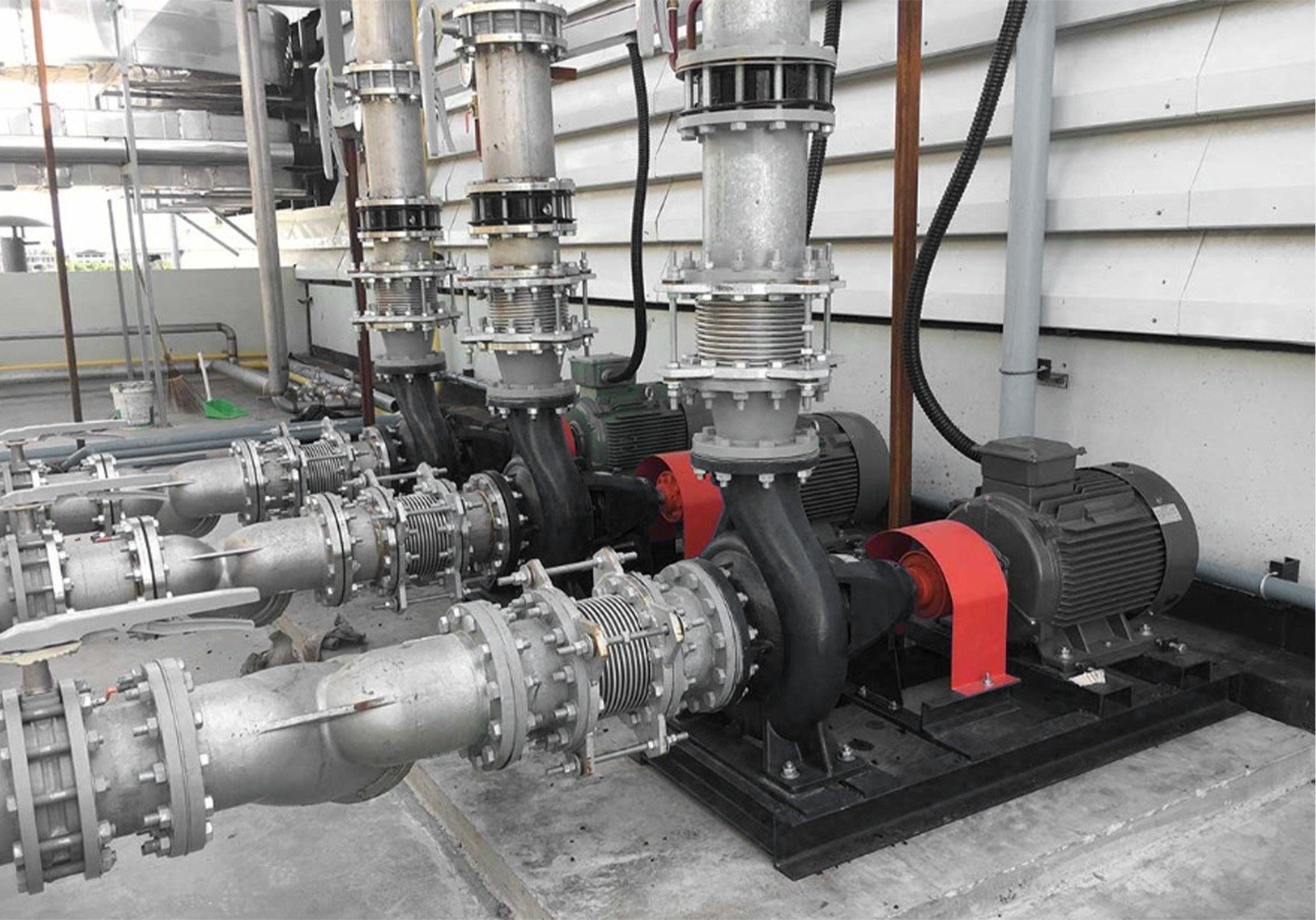
Recenti sviluppi nella tecnologia delle pompe: Uno studio di ingegneria applicata
Recenti sviluppi nella tecnologia delle pompe: Uno studio di ingegneria applicata
Preparato da: Ing. Jerry Mayer
R&S; Direttore di reparto - Niagara Pumps, Canada
Esperienza: Oltre 30 anni nella progettazione di pompe, nell'idraulica e nei sistemi di fluidi industriali.
Estratto
Le pompe industriali sono fondamentali per le infrastrutture critiche dei settori energetico, idrico, petrolchimico e di processo. Questo studio esamina gli ultimi progressi tecnologici...
Continua a leggere
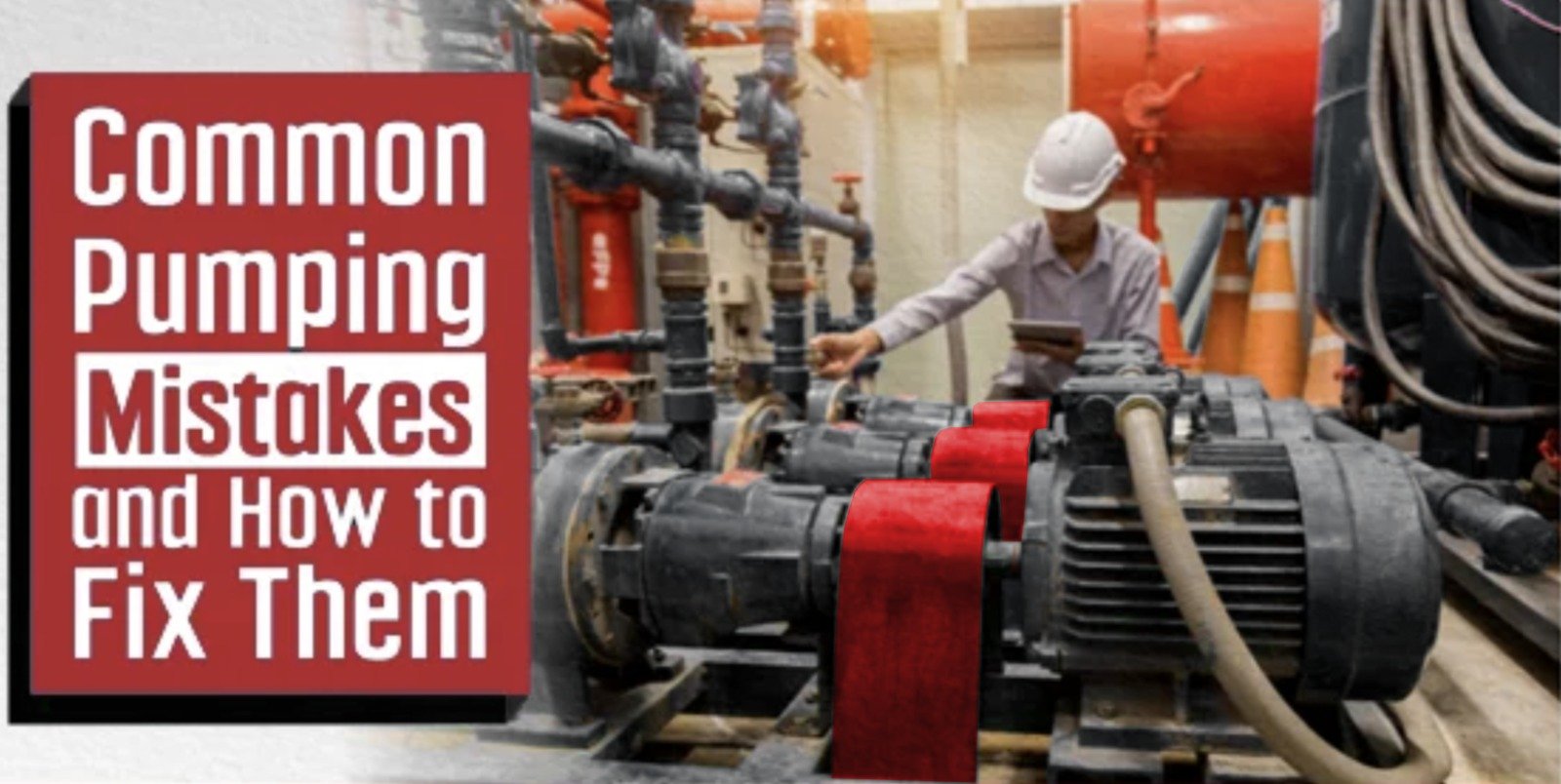
Errori comuni delle pompe
Errori comuni di installazione e funzionamento delle pompe: Cause e soluzioni tecniche
Introduzione
Le pompe sono fondamentali in molti settori, dal trattamento delle acque all'agricoltura, dal petrolio al gas e alla lavorazione dei prodotti chimici. Tuttavia, molti casi di guasto o di riduzione dell'efficienza delle pompe non derivano da difetti di progettazione, ma da errori di installazione e di...
Continua a leggere
Analisi dei guasti della pompa
Analisi ingegneristica avanzata dei guasti delle pompe - Spunti di riflessione da 20 anni di esperienza sul campo
Questo documento sintetizza decenni di osservazioni empiriche, valutazioni diagnostiche e implementazioni di soluzioni per sistemi di pompaggio industriali, municipali e infrastrutturali. Esamineremo in dettaglio i guasti meccanici, idraulici, elettrici, operativi e ambientali, supportati ...
1. Guasti meccanici avanzati
Vibrazioni risonanti...
Continua a leggere

