Commercial buildings account for a significant portion of global energy consumption, with HVAC
systems being one of the largest contributors. In hydronic HVAC systems, pumps play a critical role
in circulating water for heating and cooling. Traditionally, these pumps operated at constant speed,
leading to excessive energy use, poor system control, and higher operating costs.
The introduction of smart pumps has transformed hydronic HVAC systems by enabling intelligent
control, improved efficiency, and seamless integration with modern building management systems
(BMS).
What Are Smart Pumps?
Smart pumps are advanced circulation pumps equipped with variable speed drives (VSD/VFD),
integrated sensors (pressure, temperature, flow), and embedded controllers with communication
interfaces. Unlike conventional pumps, smart pumps automatically adjust their speed and
performance based on real-time system demand, eliminating unnecessary energy consumption.
Role of Smart Pumps in Hydronic HVAC Systems:
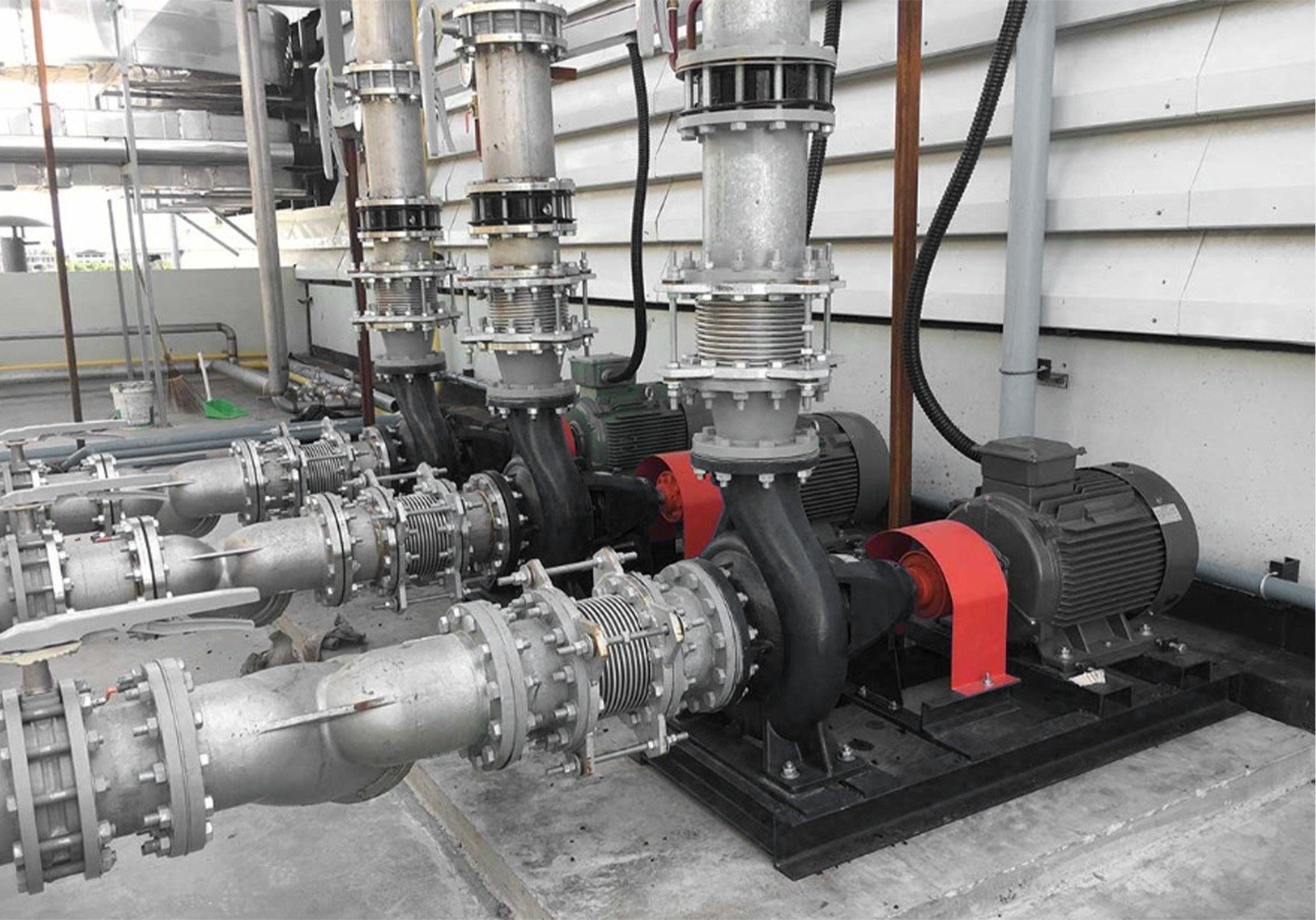
In commercial hydronic HVAC systems, smart pumps are used in chilled water distribution, hot
water heating loops, primary and secondary pumping systems, and variable flow HVAC networks.
Their main function is to ensure the correct flow rate and pressure while responding dynamically to
changing building loads.
Key Control Strategies:
1. Differential Pressure (∆P) Control:
The pump adjusts speed to maintain a set pressure differential across the system. This method is
widely used in variable flow systems and ensures stable operation at partial loads.
2. Constant Flow Control:
Used where precise flow rates are required, such as in critical process cooling or specific HVAC
zones.
3. Temperature Differential (∆T) Control:
The pump modulates flow based on temperature differences between supply and return lines,
improving heat transfer efficiency.
4. Demand-Based Control:
By receiving signals from control valves or the BMS, the pump responds directly to real-time system
Requirements.
Energy Efficiency and Cost Savings:
One of the most significant advantages of smart pumps is energy savings. Electrical energy
consumption can be reduced by 30–60%, pump wear and maintenance costs are lowered, and
noise levels are reduced. Smart pumps also help systems comply with modern energy codes and
sustainability standards such as LEED and ISO 50001.
Integration with Building Management Systems (BMS)
Smart pumps integrate with BMS using BACnet, Modbus, or Ethernet, enabling centralized
monitoring and control, fault detection and diagnostics, and performance optimization through data
logging.
Operational and Maintenance Benefits:
Smart pumps provide automatic commissioning, self-balancing, built-in alarms, reduced need for
manual balancing valves, and extended lifespan due to optimized operation.
Applications in Commercial Buildings:
Applications include office buildings, hospitals, hotels, shopping malls, data centers, and
universities, especially where load profiles vary significantly.
Challenges and Considerations:
Challenges include higher initial investment, proper system design, and skilled commissioning.
These are typically offset by long-term energy and maintenance savings.
Future Trends:
Future developments include AI-based predictive control, cloud analytics, deeper smart-building
integration, and enhanced cybersecurity.
Conclusion:
Smart pumps are a major advancement in commercial hydronic HVAC systems. By combining
intelligent control, energy efficiency, and digital connectivity, they deliver long-term operational,
financial, and environmental benefits, making them essential for modern HVAC installations.
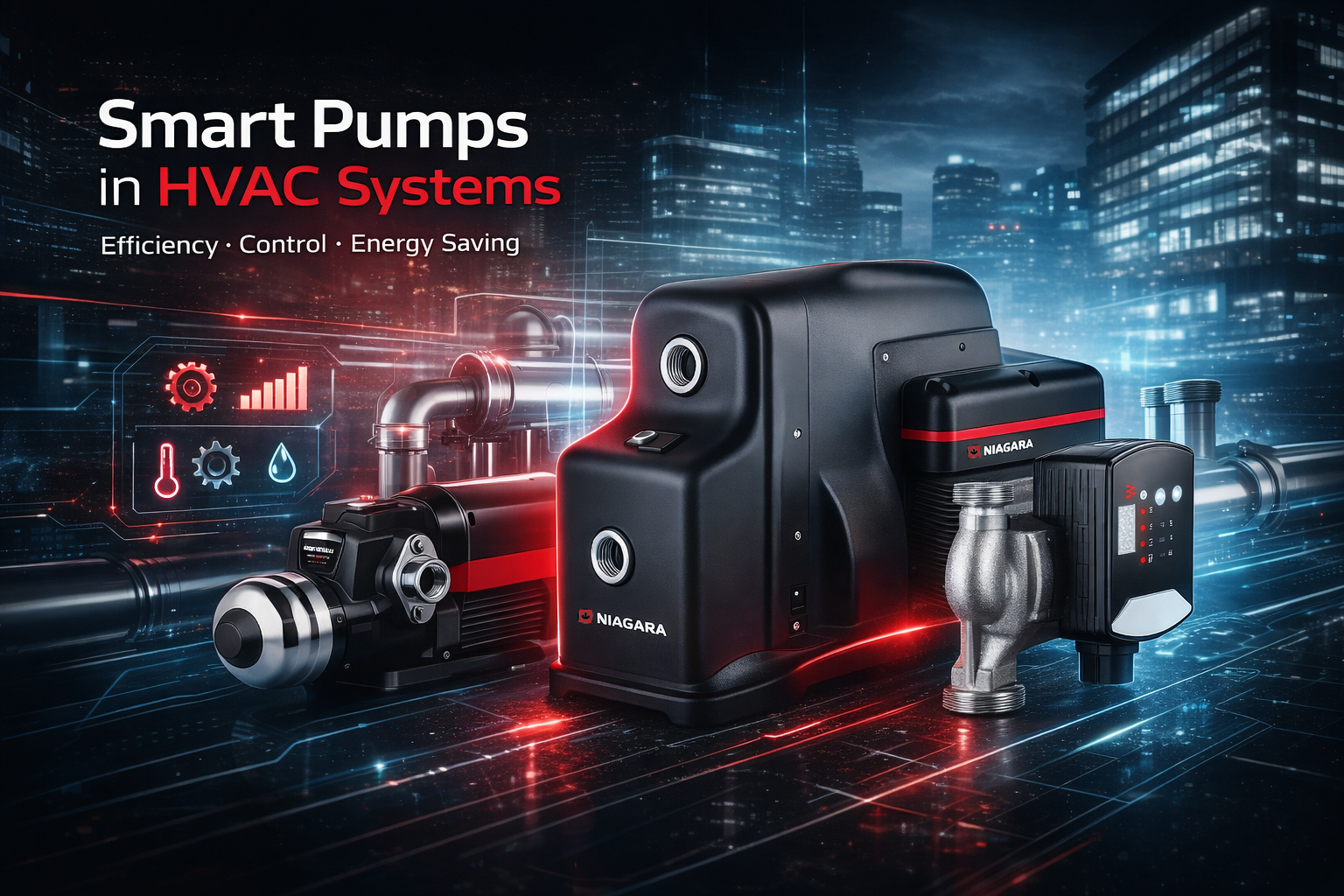
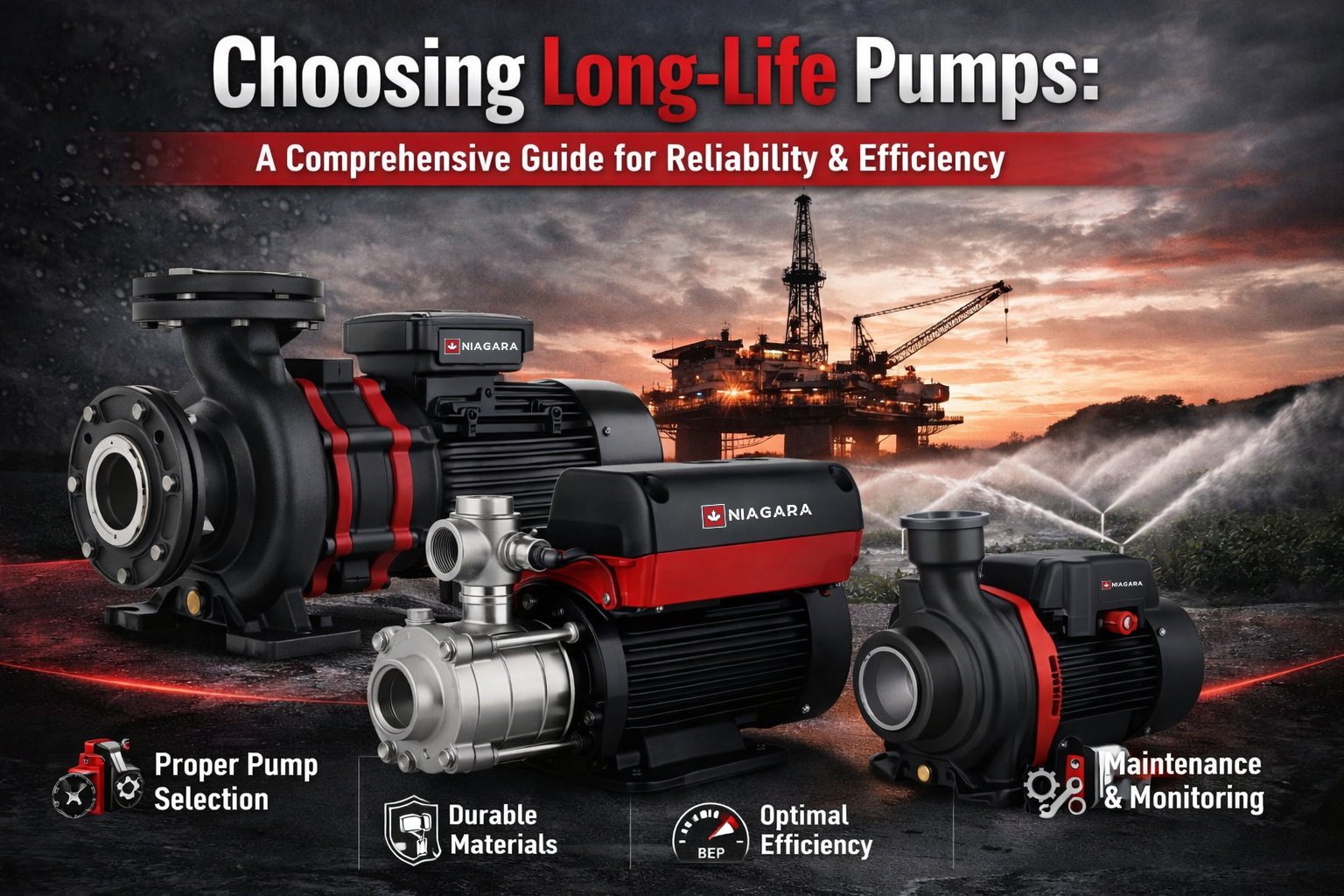
Examples of Niagara Smart Pumps:
NPA Smart Booster Pump:
Designed for reliable water supply and pressure boosting in residential, commercial, and light industrial
applications.
• Maximum Flow: 6 m³/h
• Maximum Head: 53 m
• Power Range: 0.1 – 1.2 kW
NPF Smart Circulation Pump:
A stainless-steel circulation pump designed for hot and cold water circulation in HVAC systems.
• Maximum Flow: 6.2 m³/h
• Maximum Head: 16 m
• Power Range: 45 – 180 W
NPHM Smart High-Performance Pump:
A high-performance pump with a permanent magnet brushless motor, suitable for demanding commercial and industrial applications.
• Maximum Flow: 20 m³/h
• Maximum Head: 80 m
• Maximum Liquid Temperature: +70°C
• Power Range: 0.1 – 2.2 kW
Energy Efficiency and Benefits:
Niagara smart pumps reduce energy consumption by 30–60% compared to traditional fixed-speed pumps.
They offer quieter operation, extended equipment lifespan, and reduced maintenance costs while supporting modern energy standards.
Conclusion
Niagara smart pumps provide a complete solution for modern hydronic and water-boosting systems. With models such as NPA, NPF, and NPHM, Niagara delivers efficient, reliable, and scalable performance fornresidential, commercial, and industrial applications.