





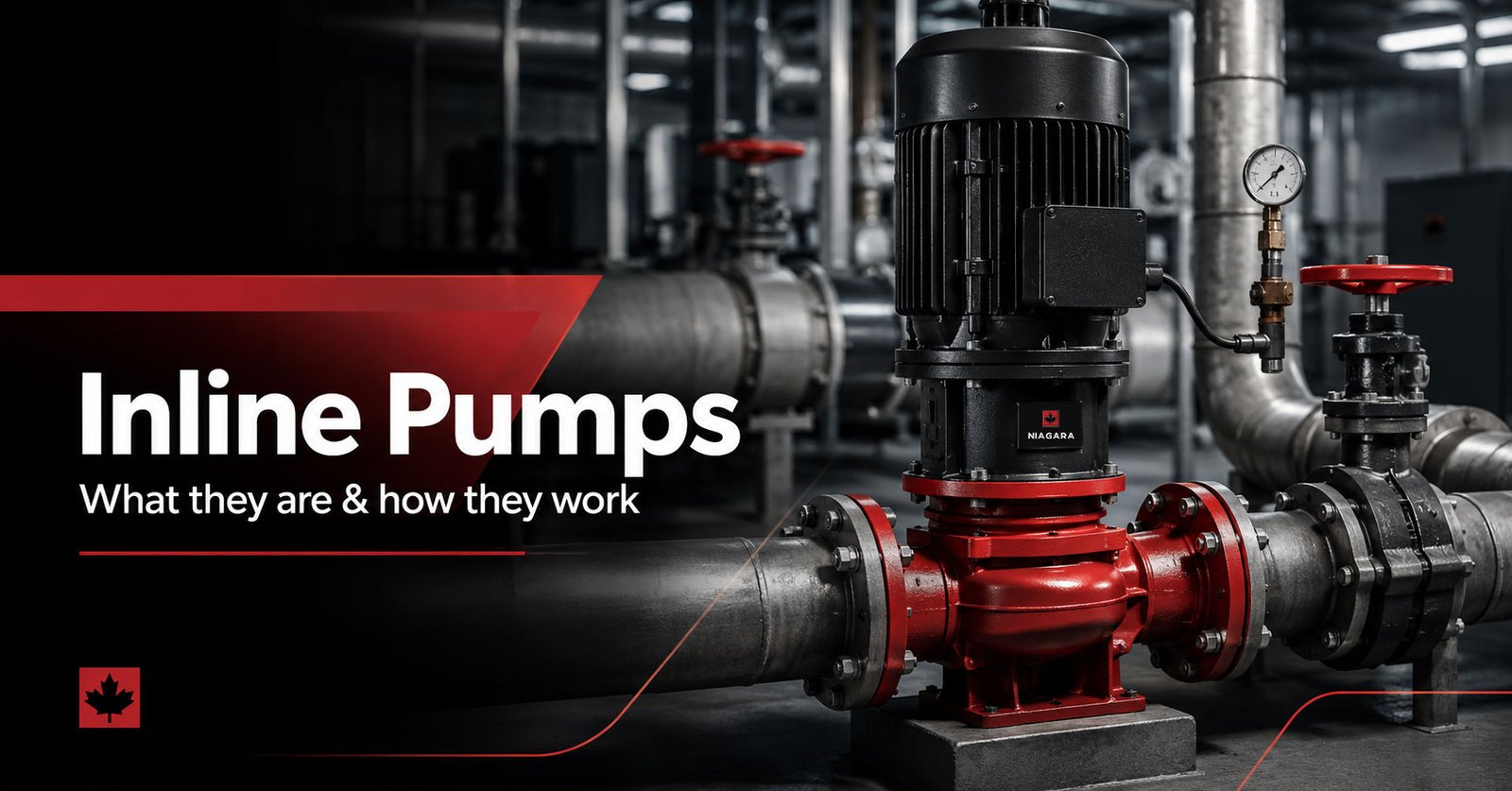
Qu'est-ce qu'une pompe en ligne et comment fonctionne-t-elle ?
En matière de manipulation efficace des fluides dans des espaces restreints, les pompes en ligne sont l'une des solutions les plus pratiques et fiables disponibles. Chez Niagara Pumps, nous comprenons l'importance de maximiser les performances tout en minimisant la complexité d'installation. C'est pourquoi les pompes en ligne sont largement utilisées dans les systèmes CVC, les opérations industrielles,...
Lire la suite
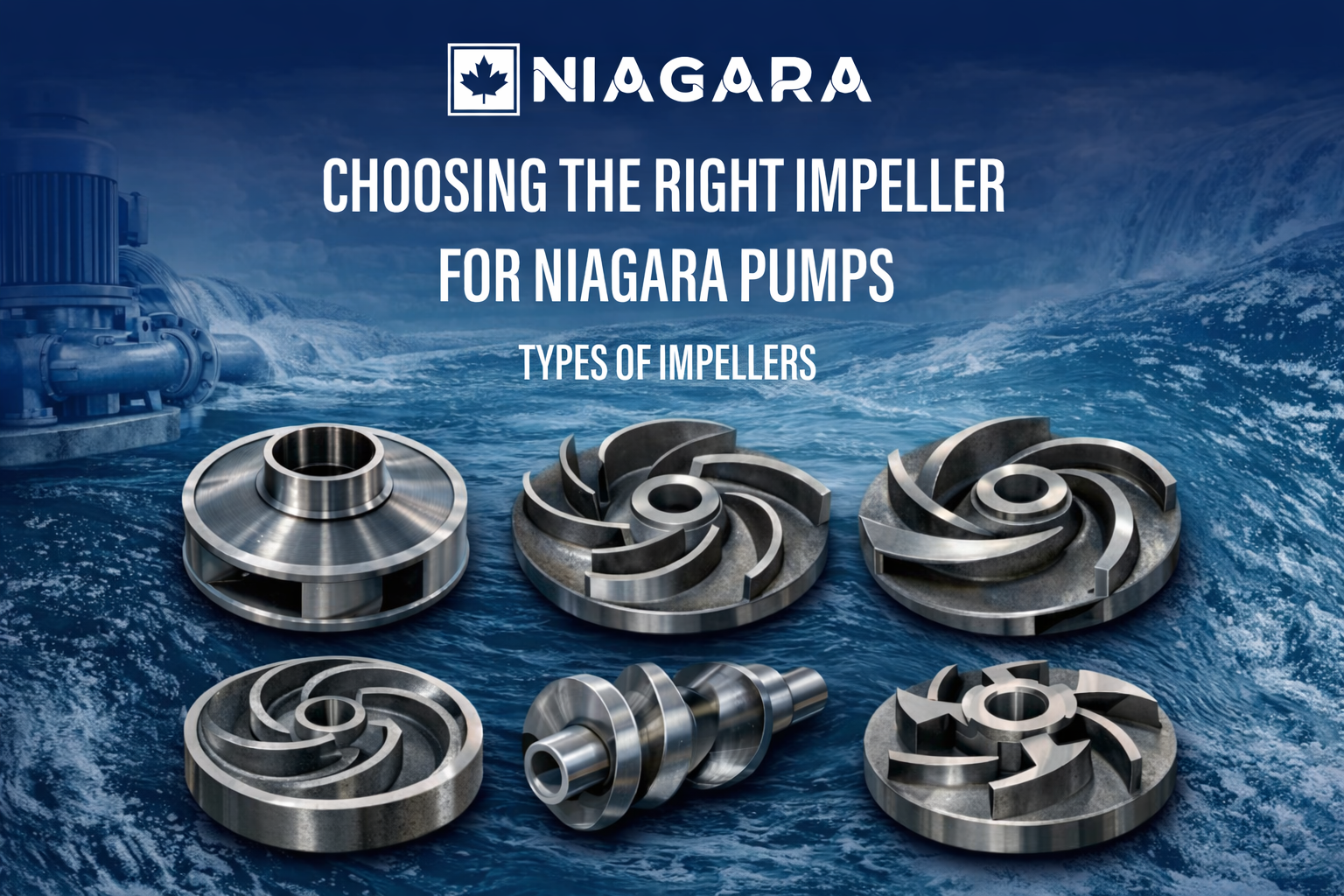
Choisir la turbine adéquate pour les pompes Niagara
La roue est un composant crucial dans toute pompe, responsable du déplacement du fluide en lui fournissant de l'énergie. Le choix du bon type de roue peut influencer considérablement l'efficacité, la fiabilité et l'adéquation d'une pompe à une application spécifique. Comprendre les différents types de roues et les facteurs de sélection clés est essentiel pour optimiser...
Lire la suite
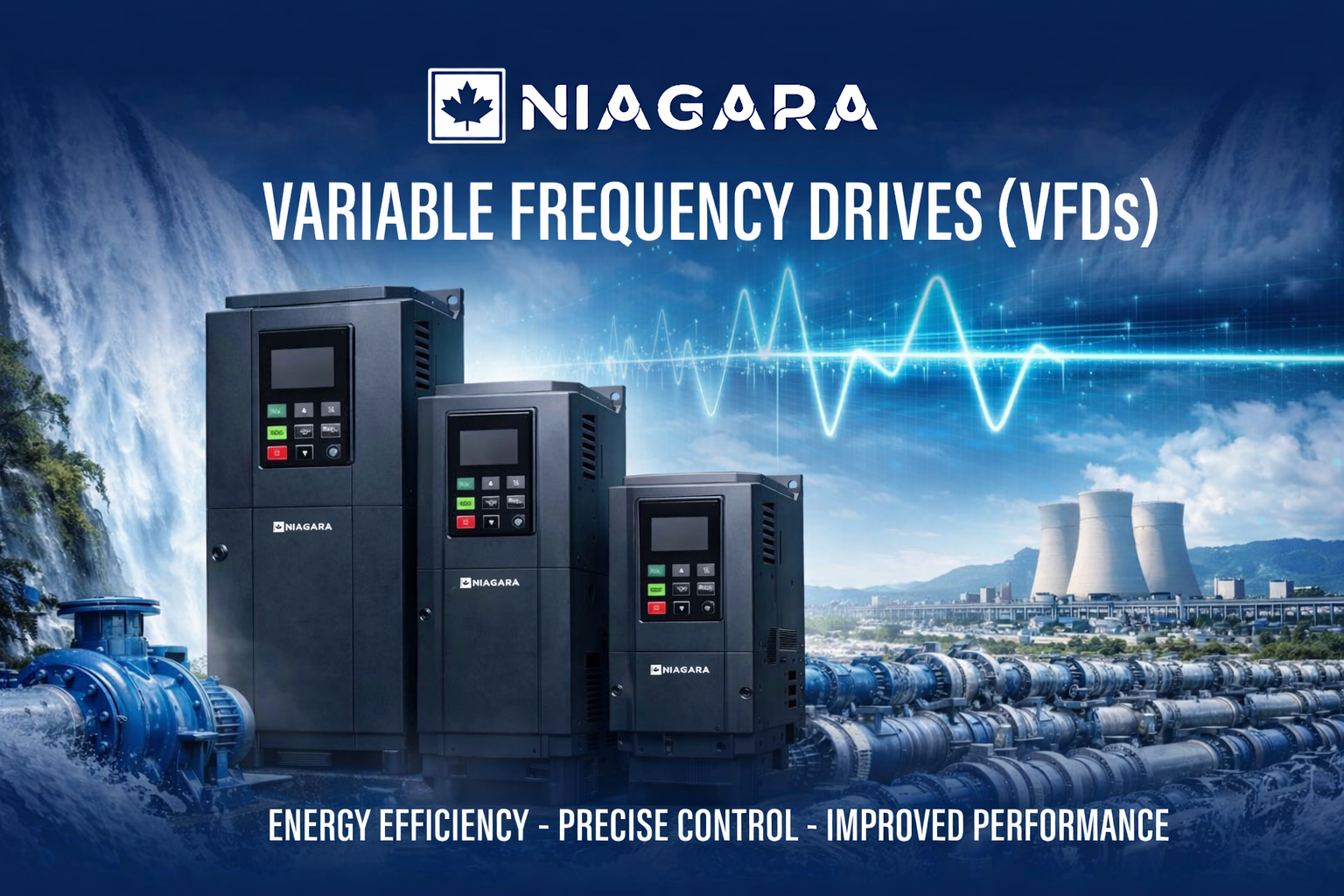
Optimisation des performances des pompes Niagara avec des variateurs de fréquence (VVF)
Les variateurs de fréquence (VFD) sont une technologie clé dans les systèmes de pompage modernes, offrant un contrôle précis de la vitesse du moteur pour optimiser les performances de la pompe. En adaptant le débit de la pompe à la demande du système, les VFD permettent de réduire la consommation d'énergie, de prolonger la durée de vie de l'équipement et d'améliorer l'efficacité globale.
Comment les VFD fonctionnent avec les pompes
Les VFD ajustent la fréquence et la tension...
Lire la suite
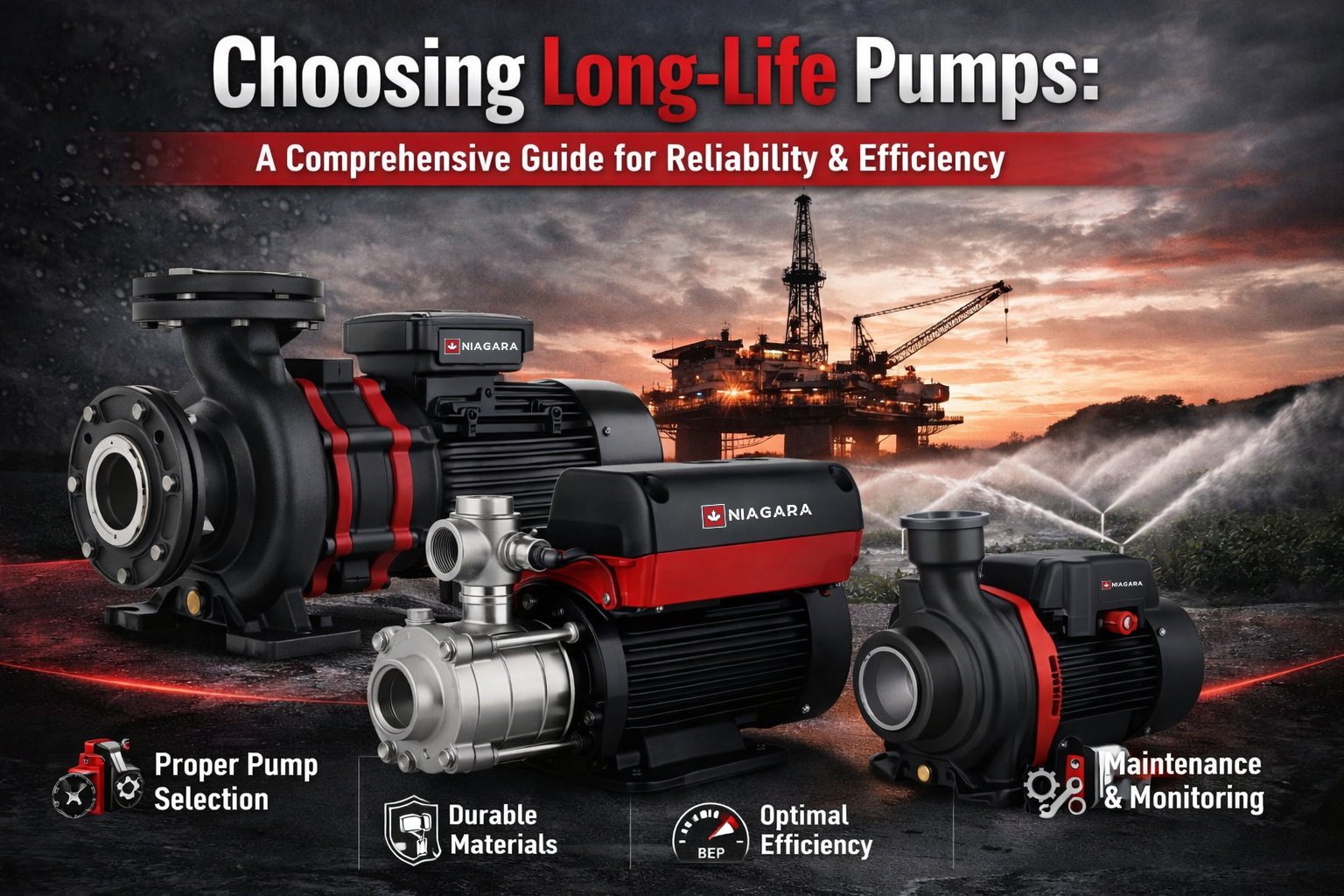
Comment choisir des pompes à longue durée de vie
Un guide complet pour la fiabilité et l'efficacité :
Les pompes sont des composants essentiels dans de nombreuses industries, notamment le traitement de l'eau, la fabrication, l'agriculture, le pétrole et le gaz, et les systèmes résidentiels. Les pompes fonctionnant souvent en continu dans des conditions exigeantes, le choix d'une pompe à longue durée de vie est essentiel pour minimiser les temps d'arrêt, réduire les coûts de maintenance et assurer...
Lire la suite
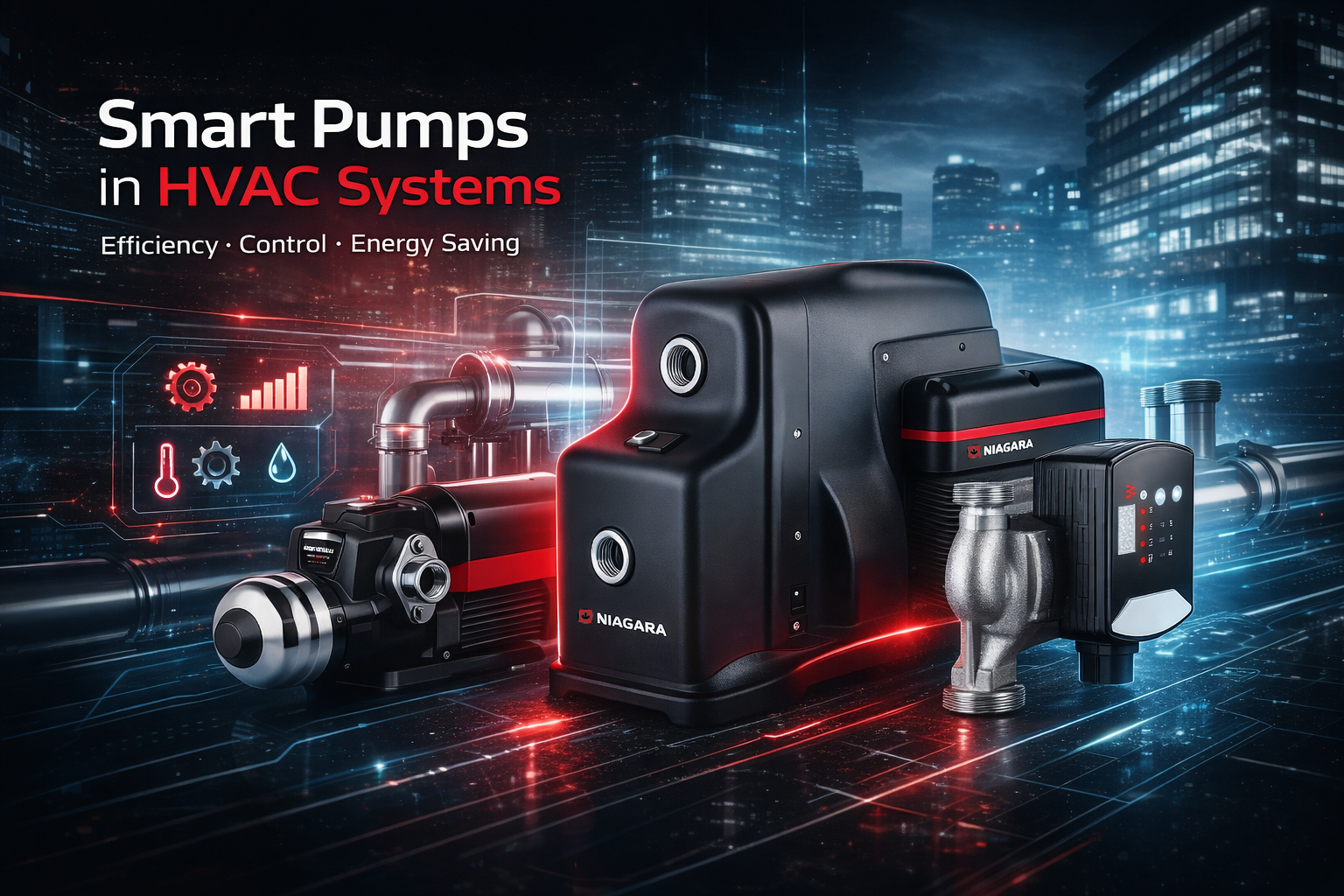
Pompes intelligentes dans les systèmes CVC hydroniques commerciaux
Les bâtiments commerciaux représentent une part importante de la consommation mondiale d'énergie, avec des systèmes de chauffage, de ventilation et de climatisation (CVC).
étant l'un des plus gros contributeurs. Dans les systèmes de chauffage, de ventilation et de climatisation hydroniques, les pompes jouent un rôle essentiel
dans la circulation de l'eau pour le chauffage et le refroidissement. Traditionnellement, ces pompes fonctionnaient à vitesse constante,
ce qui entraînait une consommation d'énergie excessive, un mauvais contrôle du système et...
Lire la suite
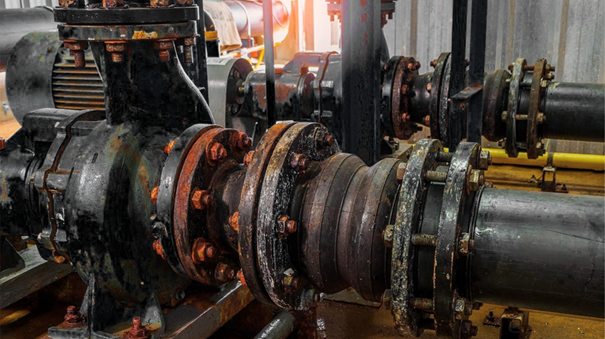
La cavitation expliquée et illustrée
Le phénomène de cavitation consiste en la rupture de la continuité dans le liquide où il y a une réduction locale considérable de la pression. La formation de bulles dans les liquides (cavitation) commence même en présence de pressions positives égales ou proches de la pression de vapeur saturée du...
Lire la suite
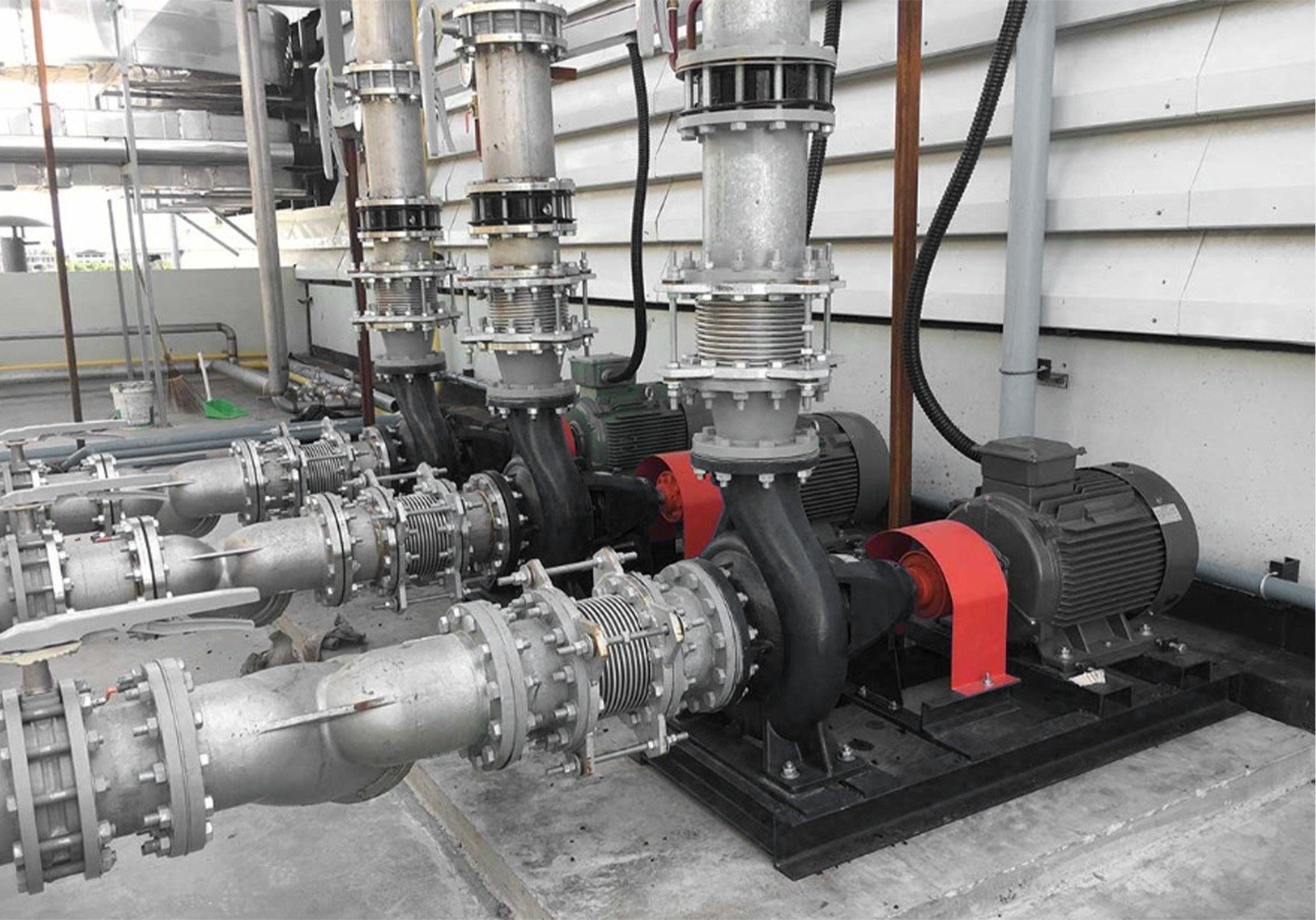
Développements récents dans la technologie des pompes : Une étude d'ingénierie appliquée
Abstract
Industrial pumps are fundamental to critical infrastructure in energy, water, petrochemical, and process industries. This study examines the latest technological advancements in pump engineering with a focus on energy efficiency, advanced materials, smart monitoring systems, and sustainable design trends. Using computational fluid dynamics (CFD), laboratory testing, and industrial field data...
Lire la suite
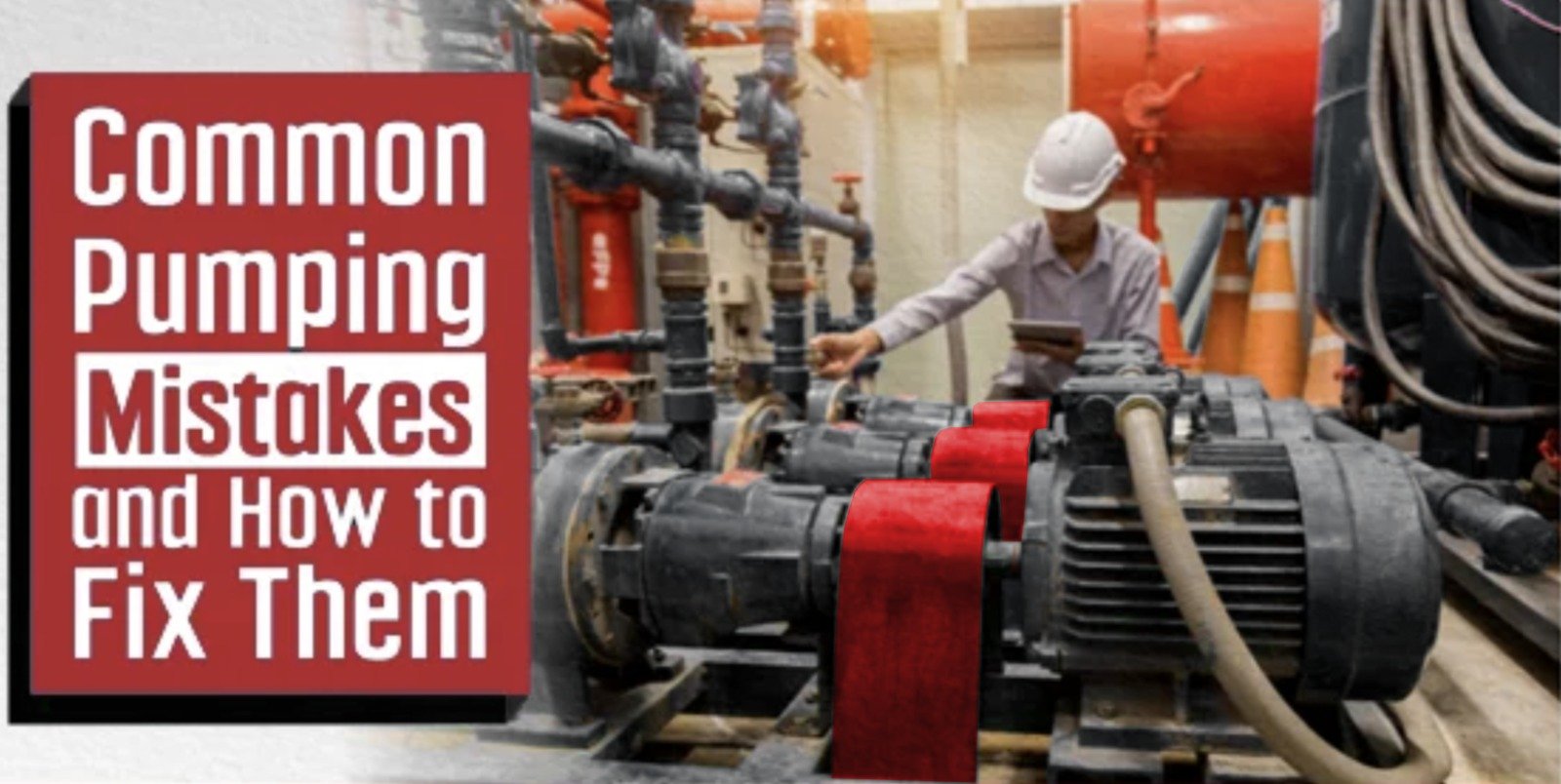
Erreurs courantes en matière de pompes
Erreurs courantes d'installation et d'utilisation des pompes : Causes techniques et solutions
Introduction
Les pompes sont essentielles dans de nombreuses industries, qu'il s'agisse du traitement de l'eau, de l'agriculture, du pétrole, du gaz ou du traitement chimique. Cependant, de nombreux cas de défaillance ou de réduction de l'efficacité des pompes ne sont pas dus à des défauts de conception, mais à des erreurs d'installation et de fonctionnement....
Lire la suite
Analyse des défaillances des pompes
Analyse technique avancée des défaillances de pompes - 20 ans d'expertise sur le terrain
Ce document synthétise des décennies d'observations empiriques, d'évaluations diagnostiques et de mises en œuvre de solutions dans des systèmes de pompage industriels, municipaux et à l'échelle de l'infrastructure. Nous examinerons en détail les défaillances mécaniques, hydrauliques, électriques, opérationnelles et ...
1. Défaillances mécaniques avancées
Vibrations résonantes...
Lire la suite

