





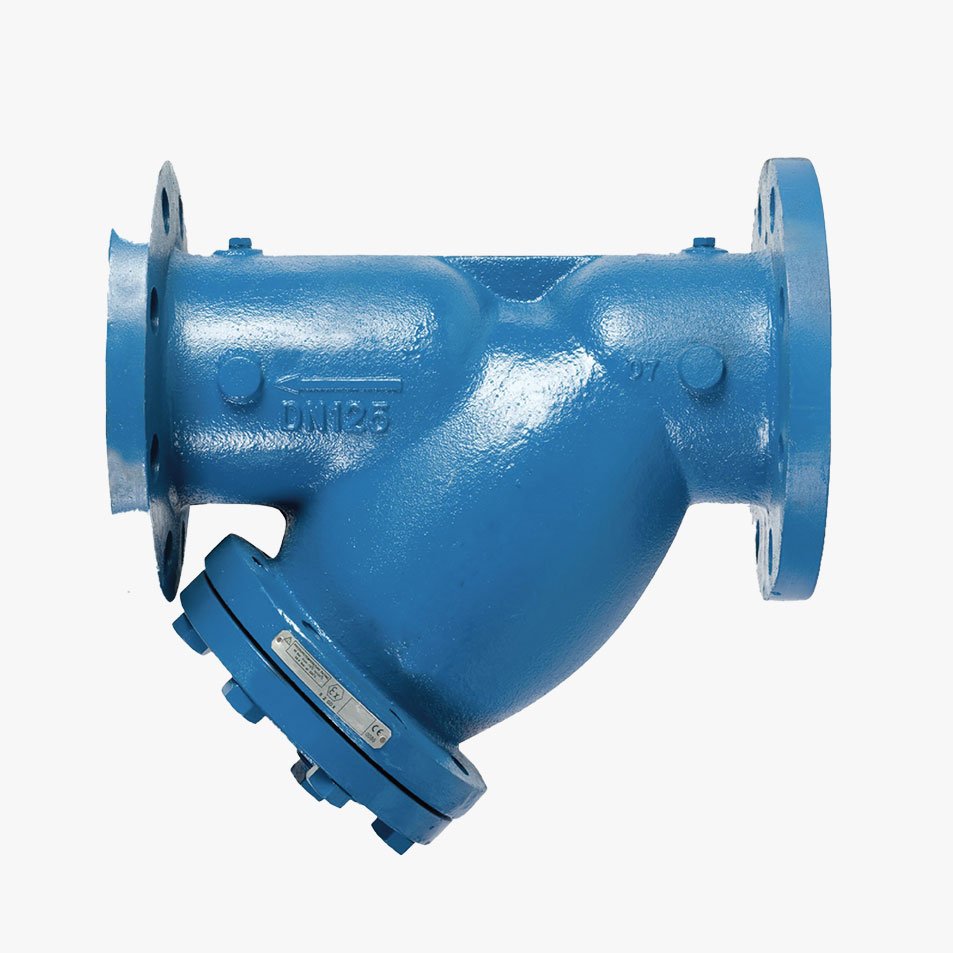
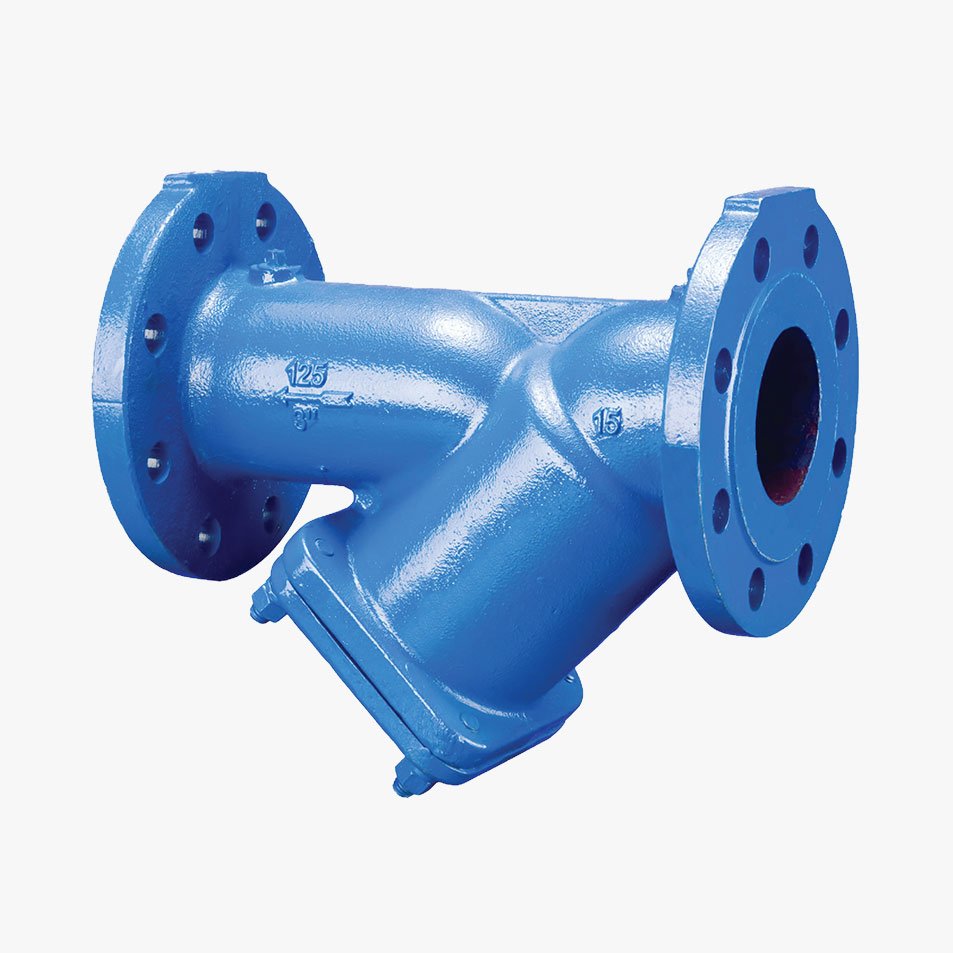
Why Every Pump Needs a Strainer (and Where to Put It)
Most pump failures that get blamed on the pump start somewhere else in the pipe. A fragment of weld slag left from installation, a flake of scale from an old main, a handful of sand drawn in from a ground tank — any of these can chip an impeller vane,...
Lire la suite
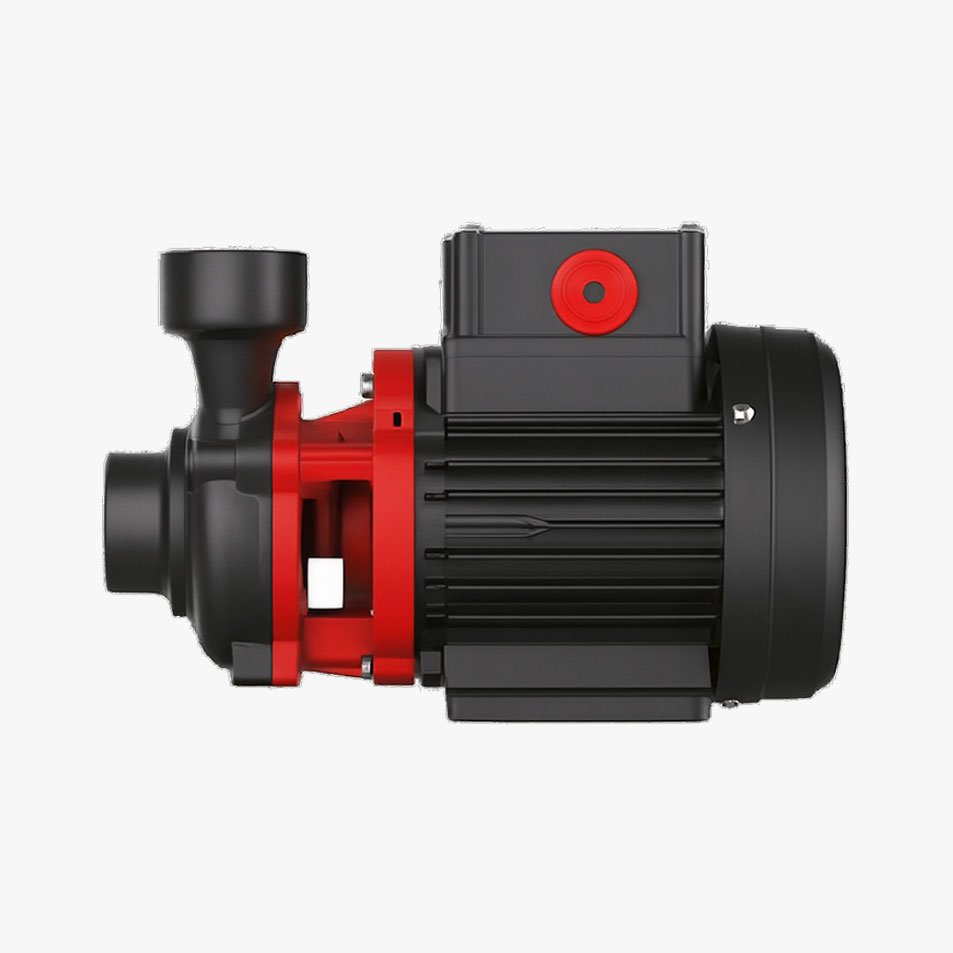
Ground Tank to Roof Tank: How Villa Water Systems Work
How the villa water chain works — ground tank, transfer pump, roof tank, gravity and booster — with sizing rules, dry-run protection and the top-floor pressure fix.
Lire la suite

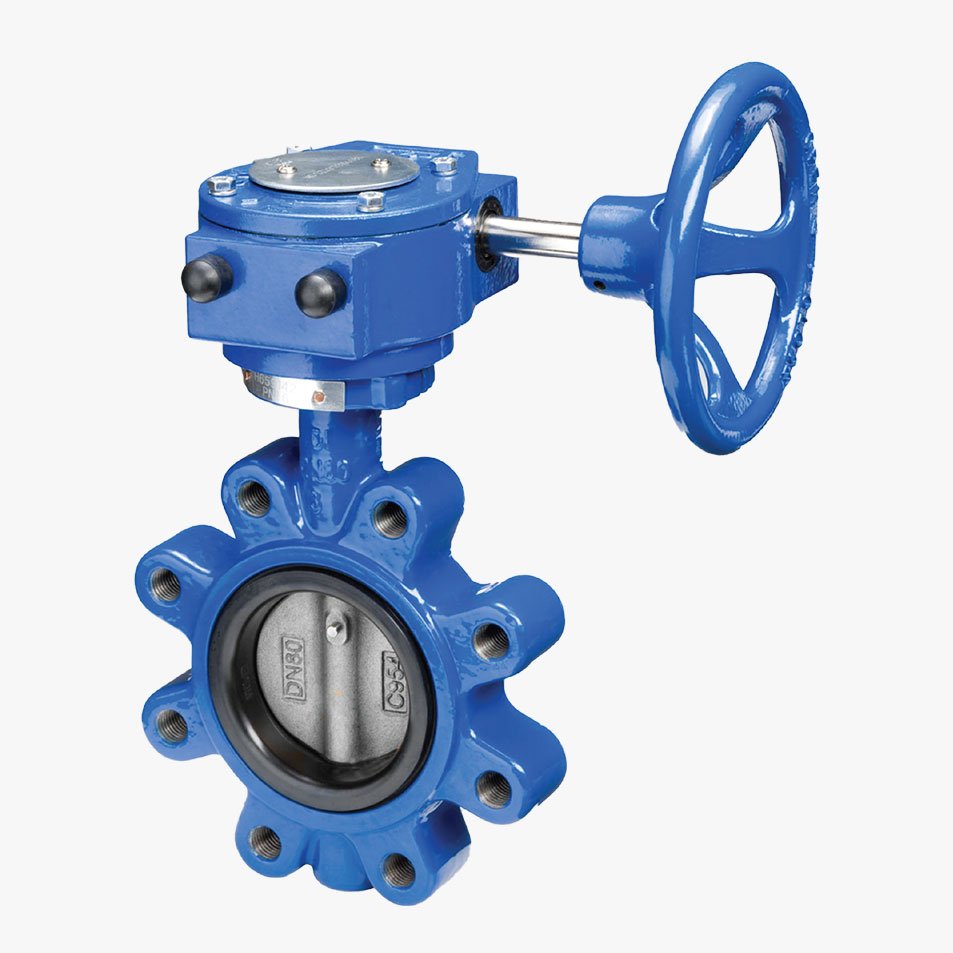
Wafer, Lug or Flanged? Butterfly Valve Body Types Explained
Wafer, semi-lugged, fully lugged and flanged butterfly valve bodies compared: dead-end service, downstream removal, pressure ratings and when to specify each.
Lire la suite
How to Size a Butterfly Valve: Kv, Velocity and Pressure
A five-step butterfly valve sizing method: duty definition, Kv calculation, velocity check, pressure rating and flange standard, and disc/liner material selection.
Lire la suite
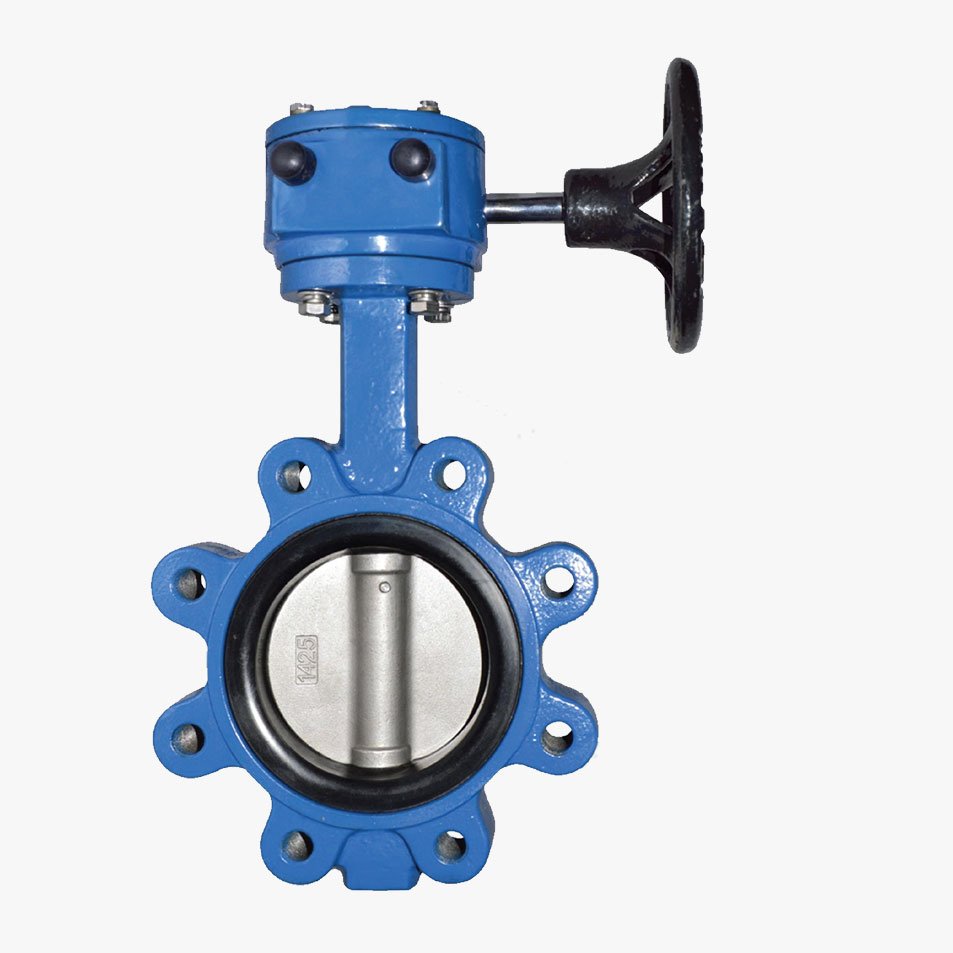
Gate Valve vs Butterfly Valve: How to Choose
Gate and butterfly valves both isolate flow, but they differ in pressure drop, throttling tolerance, closure speed and installation footprint. A practical selection guide.
Lire la suite
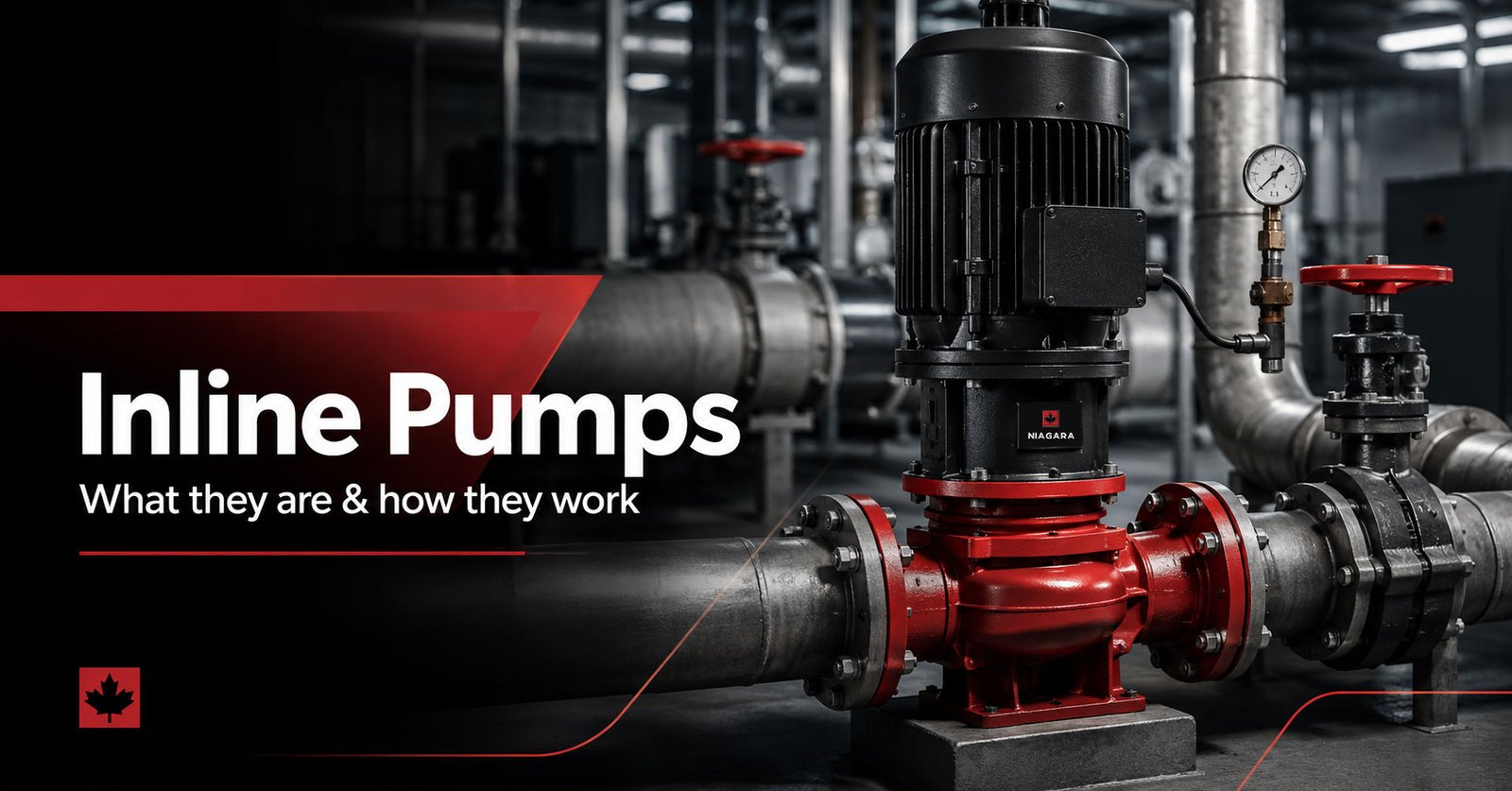
Qu'est-ce qu'une pompe en ligne et comment fonctionne-t-elle ?
En matière de manipulation efficace des fluides dans des espaces restreints, les pompes en ligne sont l'une des solutions les plus pratiques et fiables disponibles. Chez Niagara Pumps, nous comprenons l'importance de maximiser les performances tout en minimisant la complexité d'installation. C'est pourquoi les pompes en ligne sont largement utilisées dans les systèmes CVC, les opérations industrielles,...
Lire la suite
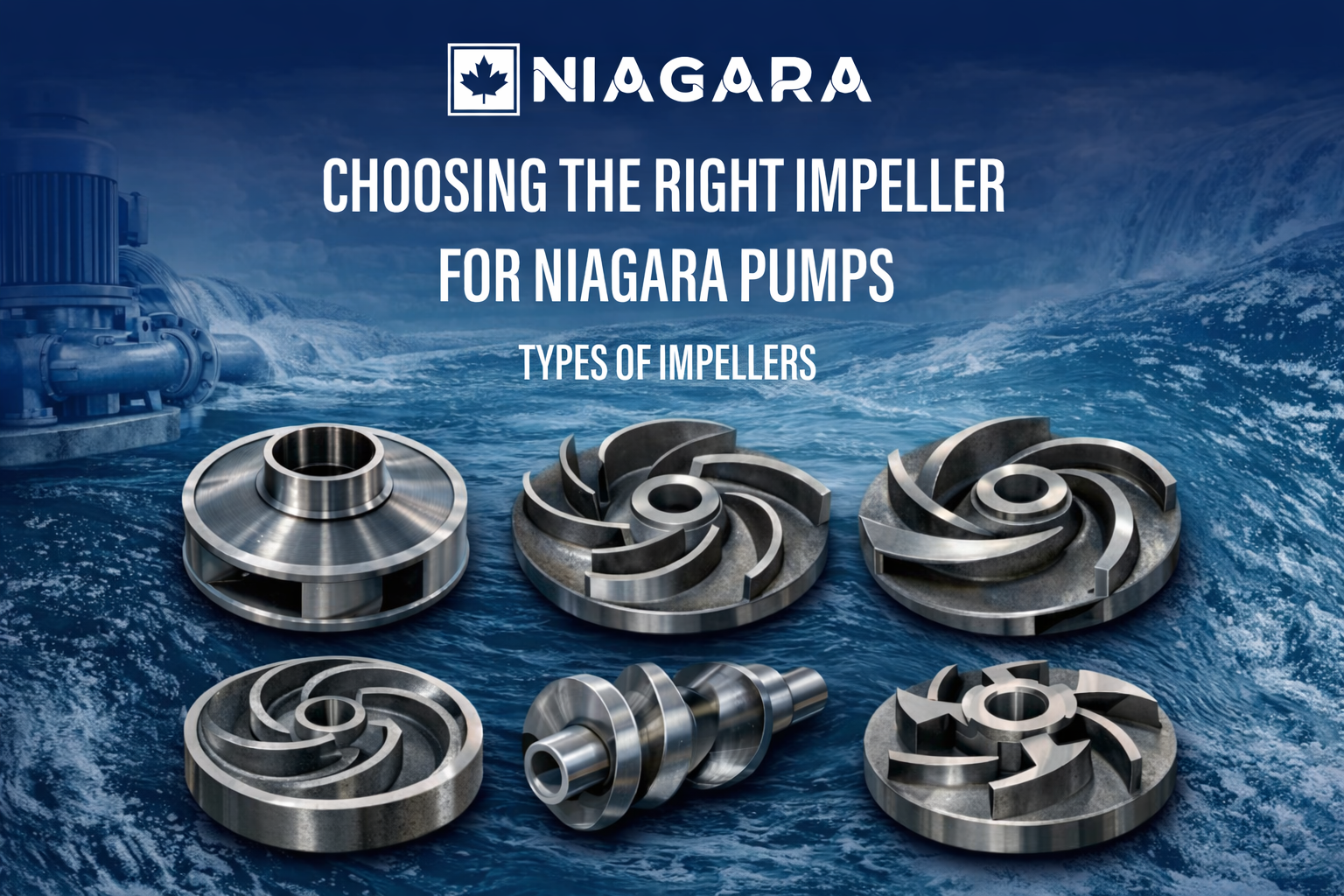
Choisir la turbine adéquate pour les pompes Niagara
La roue est un composant crucial dans toute pompe, responsable du déplacement du fluide en lui fournissant de l'énergie. Le choix du bon type de roue peut influencer considérablement l'efficacité, la fiabilité et l'adéquation d'une pompe à une application spécifique. Comprendre les différents types de roues et les facteurs de sélection clés est essentiel pour optimiser...
Lire la suite
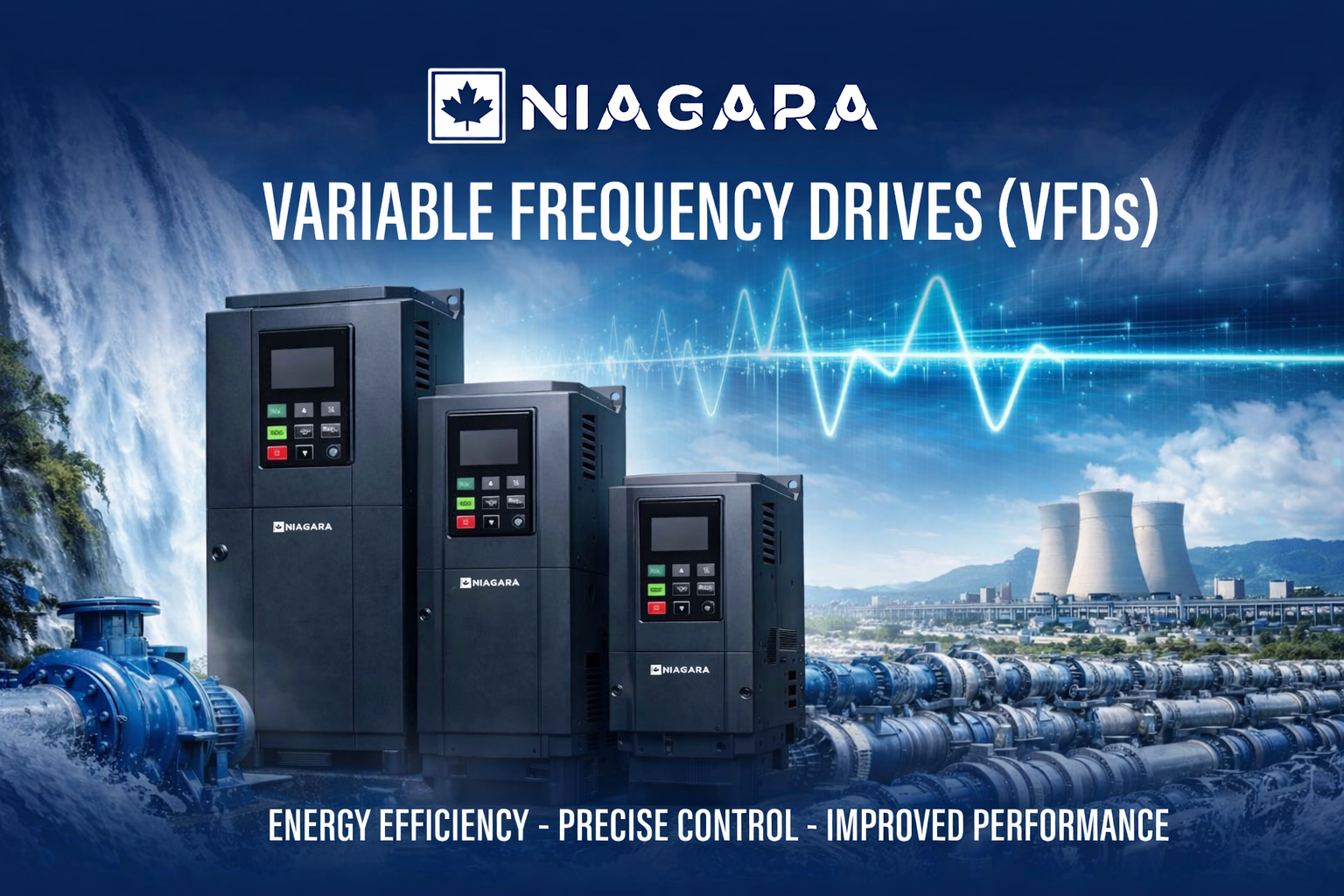
Optimisation des performances des pompes Niagara avec des variateurs de fréquence (VVF)
Les variateurs de fréquence (VFD) sont une technologie clé dans les systèmes de pompage modernes, offrant un contrôle précis de la vitesse du moteur pour optimiser les performances de la pompe. En adaptant le débit de la pompe à la demande du système, les VFD permettent de réduire la consommation d'énergie, de prolonger la durée de vie de l'équipement et d'améliorer l'efficacité globale.
Comment les VFD fonctionnent avec les pompes
Les VFD ajustent la fréquence et la tension...
Lire la suite
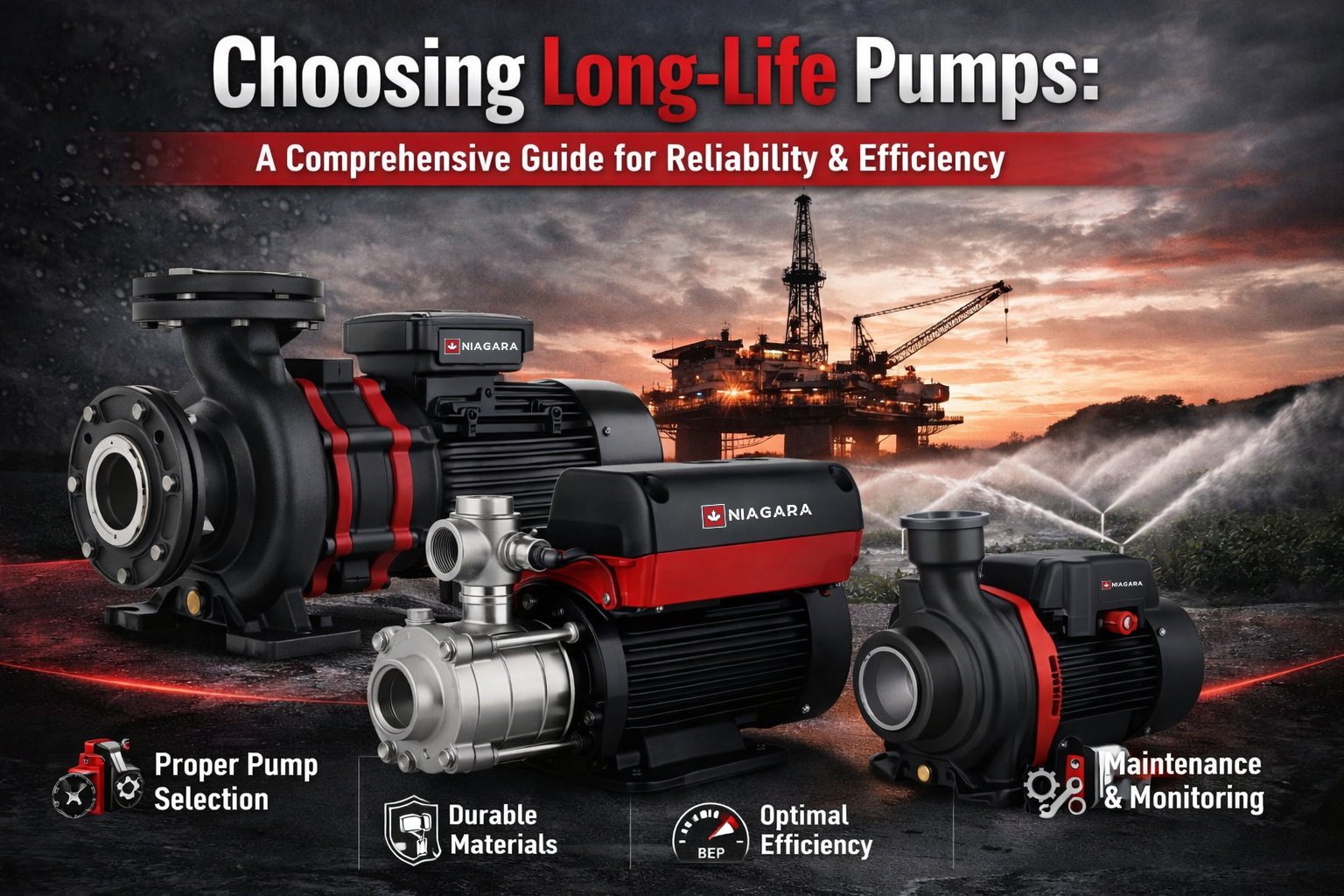
Comment choisir des pompes à longue durée de vie
Un guide complet pour la fiabilité et l'efficacité :
Les pompes sont des composants essentiels dans de nombreuses industries, notamment le traitement de l'eau, la fabrication, l'agriculture, le pétrole et le gaz, et les systèmes résidentiels. Les pompes fonctionnant souvent en continu dans des conditions exigeantes, le choix d'une pompe à longue durée de vie est essentiel pour minimiser les temps d'arrêt, réduire les coûts de maintenance et assurer...
Lire la suite
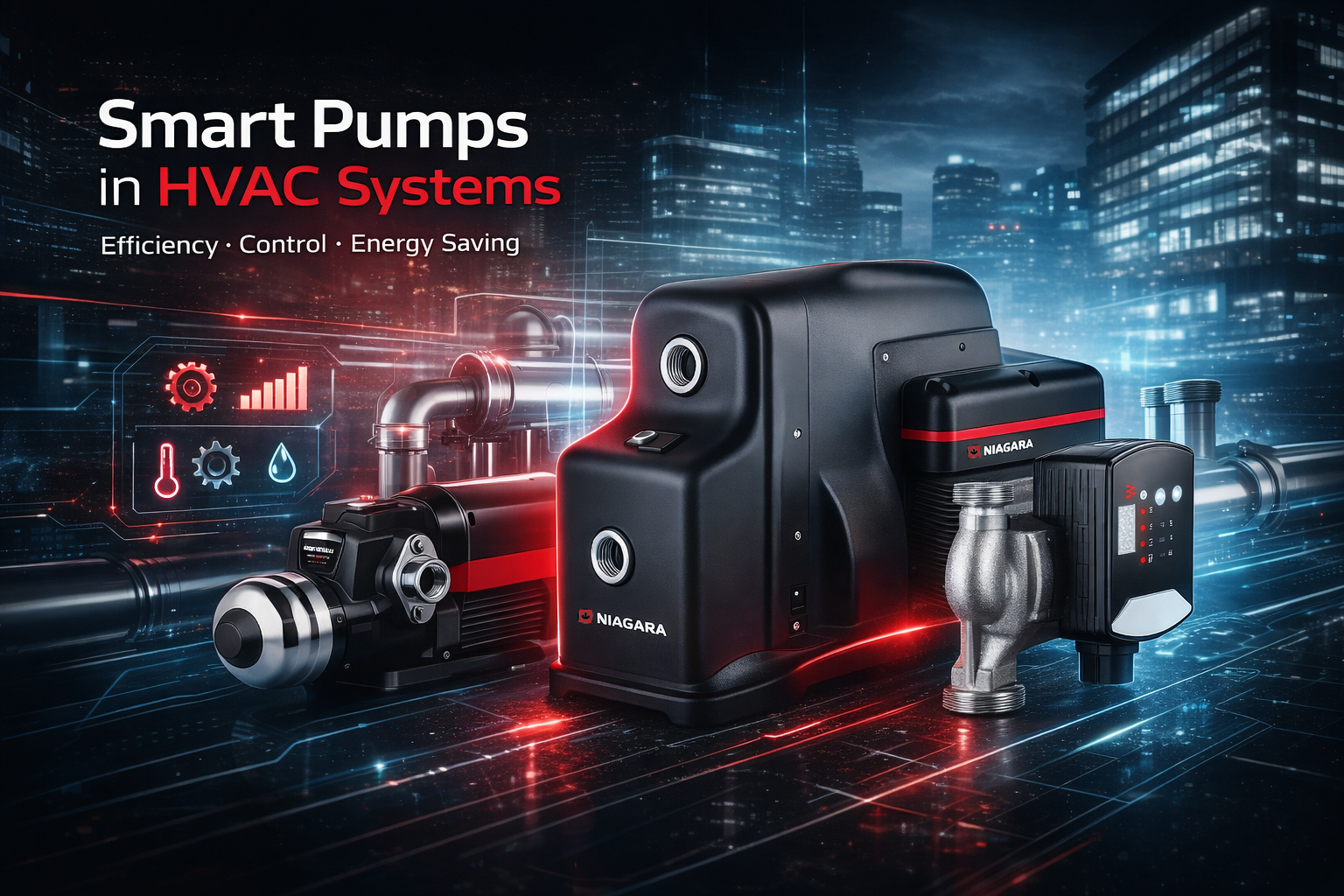
Pompes intelligentes dans les systèmes CVC hydroniques commerciaux
Les bâtiments commerciaux représentent une part importante de la consommation mondiale d'énergie, avec des systèmes de chauffage, de ventilation et de climatisation (CVC).
étant l'un des plus gros contributeurs. Dans les systèmes de chauffage, de ventilation et de climatisation hydroniques, les pompes jouent un rôle essentiel
dans la circulation de l'eau pour le chauffage et le refroidissement. Traditionnellement, ces pompes fonctionnaient à vitesse constante,
ce qui entraînait une consommation d'énergie excessive, un mauvais contrôle du système et...
Lire la suite

